
Are you wondering whether your roof can handle another Frankston winter? Have you noticed a few tiles looking worse for wear after the last storm? Perhaps you’re building a new home and feeling overwhelmed by the sheer number of roofing options available?
Choosing the right roof for your property is one of the most important decisions you’ll make as a homeowner or property investor. Your roof does so much more than keep the rain out. It protects your family, maintains your property’s value, and plays a massive role in energy efficiency. In Frankston, where the coastal climate can throw everything from scorching summers to wild winter storms at your home, getting your roofing right matters even more.
In this guide, we’ll walk you through everything you need to know about roofing in Frankston. From metal and tile options to flat roofing systems, we’ll cover the best solutions for residential and commercial properties. You’ll learn how to spot roof damage, understand the difference between restoration and replacement, and discover tips for keeping your roof in top shape for years to come. Let’s get stuck into it.
Understanding Frankston’s Climate and Its Impact on Your Roof
Frankston’s location on Port Phillip Bay creates a unique microclimate that your roof needs to withstand. The salty coastal air can be tough on certain materials, while summer heat and occasional hailstorms add extra stress. Understanding these factors helps you make smarter roofing choices.
The bay breeze brings moisture and salt, which can accelerate corrosion on poorly protected metal roofs. On the flip side, the strong UV exposure during summer can cause some materials to fade or become brittle over time. This is why material selection is so critical in this area.
Frankston also experiences its fair share of heavy rainfall, particularly during autumn and winter. Proper drainage, quality guttering, and well-maintained flashing become essential components of any roofing system here. A roof that works brilliantly in Melbourne’s inner suburbs might struggle on the peninsula.
Types of Roofing Solutions Available in Frankston
Metal Roofing: Colorbond and Beyond
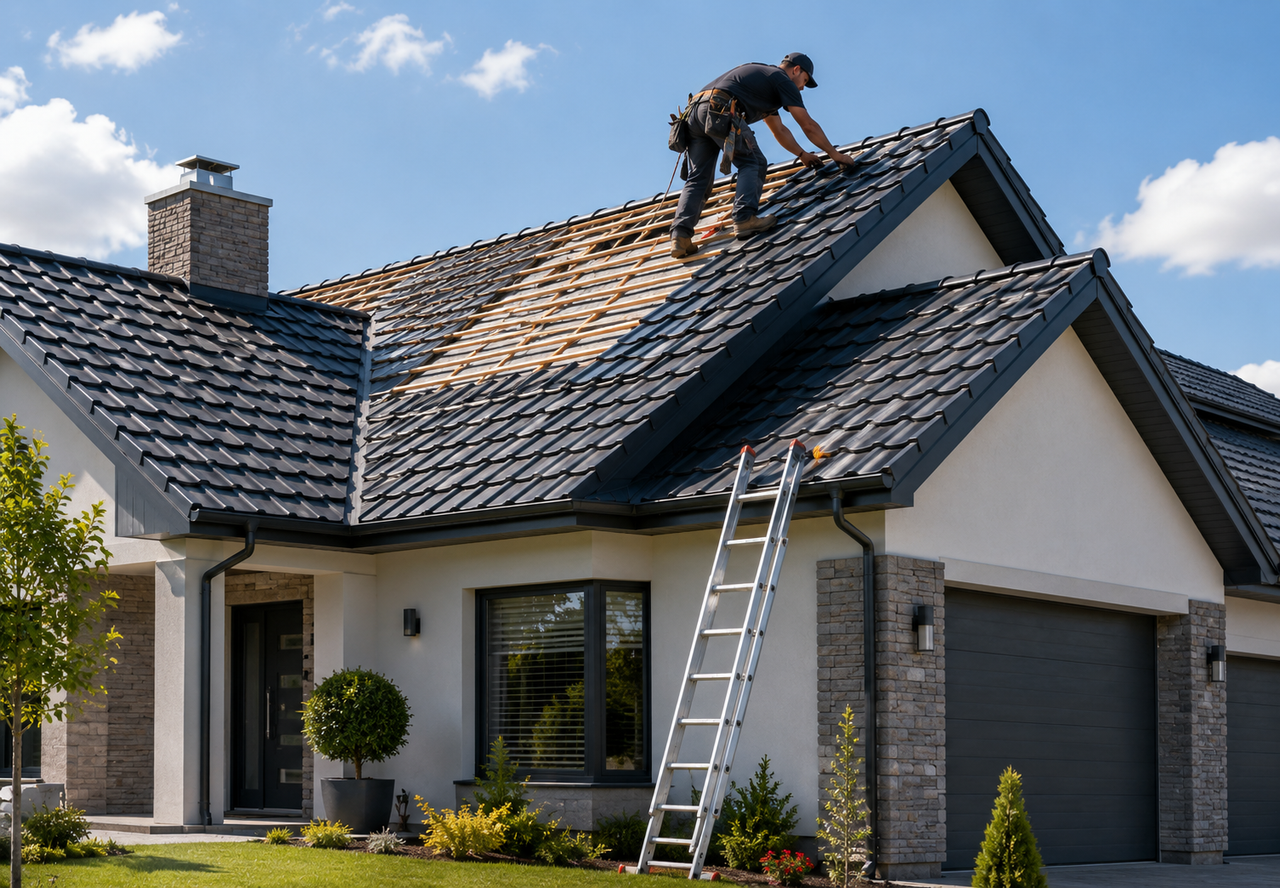
Metal roofing has become incredibly popular across Australia, and for good reason. Colorbond, in particular, has earned its reputation as the nation’s favourite roofing material. It’s lightweight, durable, and available in a wide range of colours that complement any architectural style.
Colorbond steel is specifically designed for Australian conditions. It features thermal efficiency technology that reflects more of the sun’s heat, keeping your home cooler in summer. The material is also resistant to cracking, peeling, and corrosion—making it ideal for Frankston’s coastal environment.
Zincalume is another excellent option worth considering. While it doesn’t offer the same colour choices as Colorbond, it provides exceptional corrosion resistance and often comes at a lower price point. Both options typically last 50 years or more with proper maintenance, making them fantastic long-term investments.
Tile Roofing: Concrete vs Terracotta
Tile roofing remains a classic choice for Australian homes, offering timeless aesthetics and excellent durability. But should you choose concrete or terracotta? Each has its advantages depending on your priorities and budget.
Concrete tiles are generally more affordable upfront and offer good durability. They’re available in various profiles and colours, though they can fade over time. Modern concrete tiles have improved significantly, with better colour retention than older versions.
Terracotta tiles, on the other hand, maintain their colour naturally because it’s baked right through the material. They’re lighter than concrete and offer superior thermal performance. While the initial cost is higher, many homeowners find terracotta’s longevity and aesthetic appeal worth the investment. If your existing tile roof is looking tired, restoration might be a cost-effective alternative to full replacement.
Flat Roofing Solutions for Modern Properties
Flat roofs have come a long way from the problematic systems of decades past. Modern membrane roofing technologies provide reliable, long-lasting protection for both commercial and residential buildings with flat or low-pitched roof designs.
TPO (thermoplastic polyolefin) and EPDM rubber membranes are among the most popular choices today. They’re flexible, resistant to UV damage, and can accommodate building movement without cracking. These systems work particularly well on commercial properties, extensions, and contemporary home designs.
Flat roofing requires careful attention to drainage. Without the natural water-shedding ability of pitched roofs, proper falls and drainage systems become essential. A skilled roofing contractor will make sure water flows away efficiently, preventing ponding that can lead to leaks and structural damage.
Roofing Services for Different Property Types
Residential Roofing in Frankston
What is the best roofing material for houses in Australia? There’s no single answer because it depends on your home’s style, your budget, and your priorities. However, Colorbond and quality tiles remain the top choices for most residential properties.
For heritage homes and character properties, maintaining architectural authenticity often matters. Terracotta tiles or slate-look alternatives can preserve that classic appearance while incorporating modern underlayment and flashing systems. Many heritage specialists can match existing tiles or find appropriate replacements.
Modern homes often suit metal roofing perfectly. The clean lines of Colorbond complement contemporary architecture beautifully. What’s more, metal roofs make excellent platforms for solar panel installations if you’re planning to go green.
Commercial Roofing Requirements
Commercial and industrial properties have different demands than residential homes. Large roof spans, the need for minimal maintenance, and considerations like roof-mounted equipment all influence material choices.
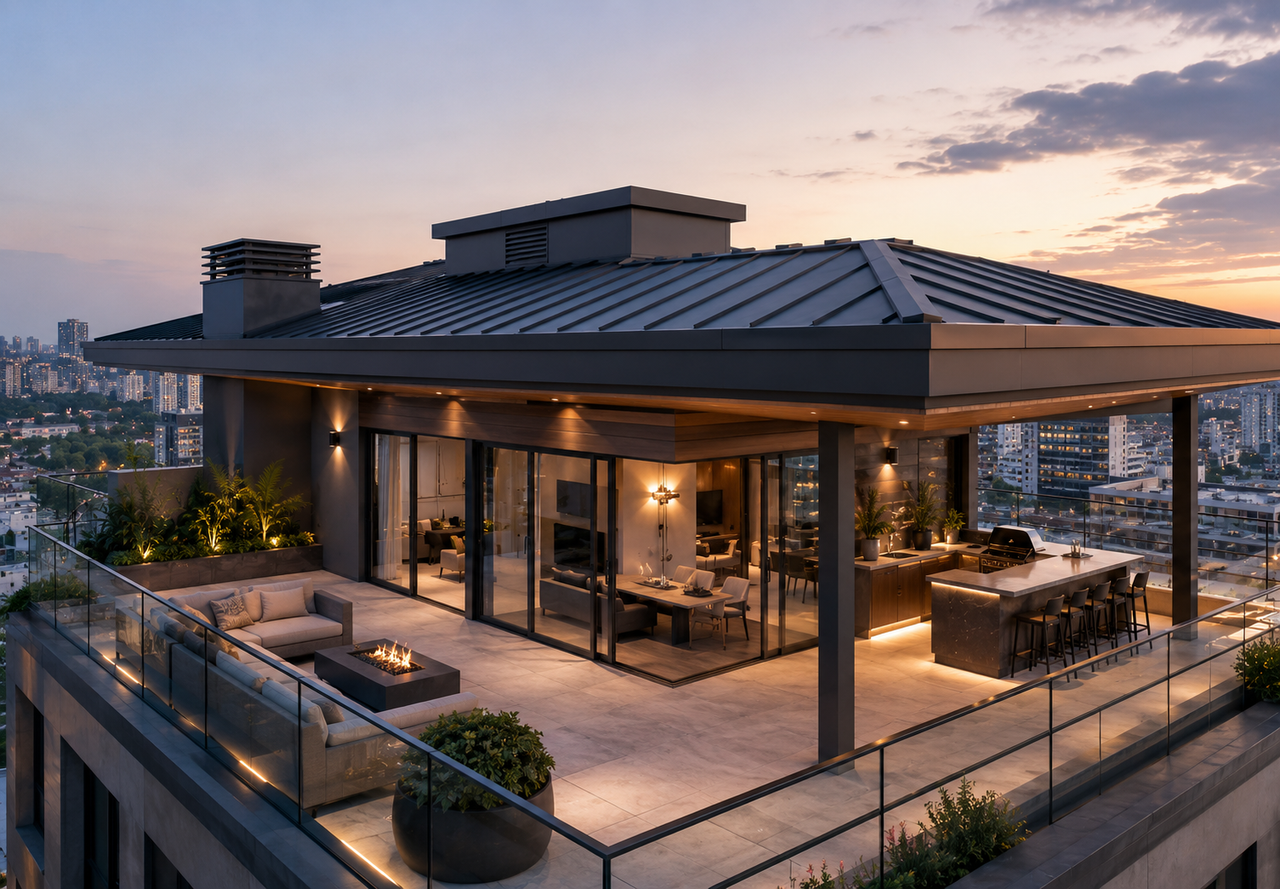
Metal roofing dominates the commercial sector for practical reasons. It’s quick to install, relatively affordable for large areas, and handles industrial conditions well. Many commercial buildings use Zincalume or factory-coated steel systems designed specifically for their requirements.
Strata and multi-unit developments present unique challenges. Body corporate requirements, shared maintenance responsibilities, and the need for consistent aesthetics across multiple units all need consideration. Working with a contractor experienced in strata work helps navigate these complexities smoothly.
Common Roofing Problems and Solutions
How Do I Know If My Roof Needs Replacing?
Several warning signs indicate your roof might need serious attention. Interior water stains, daylight visible through roof boards, sagging sections, and widespread tile damage all suggest major problems. If your roof is over 25 years old and showing multiple issues, replacement often makes more sense than ongoing repairs.
After storms, inspect your roof carefully—or better yet, have a professional do it. Look for cracked or missing tiles, lifted metal sheets, damaged flashing around chimneys and vents, and blocked gutters full of debris. Catching damage early prevents small problems from becoming expensive nightmares.
Roof leaks demand immediate attention. Even small leaks can cause significant water damage to ceilings, walls, and structural timbers. Mould growth, rotting framework, and damaged insulation are all potential consequences of ignored leaks. Don’t wait—address roof leaks as soon as you spot them.
Roof Restoration vs Roof Replacement
Is it worth restoring an old roof rather than replacing it entirely? In many cases, absolutely. A quality restoration can extend your roof’s life by 15-20 years at a fraction of replacement cost. Restoration typically involves repairs, cleaning, repointing, and applying protective coatings.
How much does a new roof cost in Frankston? Prices vary significantly based on materials, roof size, complexity, and access. A straightforward metal re-roof might start around $15,000-$20,000 for an average home, while premium tiles or complex designs can reach $40,000 or more. Always get multiple quotes and compare like for like.
Restoration projects usually take just a few days for standard homes. Full replacements take longer—typically one to two weeks depending on size and weather conditions. Your contractor should provide a realistic timeline before work begins.
Choosing a Professional Roofing Contractor
What should you look for in a local roofer? Start with proper licensing, insurance, and a solid track record. Ask for references and actually follow up with past clients. Check online reviews but remember that a few negative comments among many positive ones isn’t necessarily concerning.
Before hiring anyone, ask important questions. How long have they been operating? Do they provide written warranties? What happens if something goes wrong? Are they familiar with Frankston council requirements? The answers reveal a lot about how professional the company truly is.
Understanding roofing quotes require comparing apples with apples. A cheap quote might exclude essential items that others include. Make sure quotes specify materials, workmanship warranties, rubbish removal, and whether scaffolding costs are included.
Energy-Efficient and Sustainable Roofing
Making your roof more energy efficient saves money and reduces your environmental footprint. Light-coloured roofing materials reflect more heat, reducing cooling costs significantly during Frankston’s warm summers. Proper insulation under your roof makes a huge difference too.
If solar panels are on your Wishlist, consider this during roof selection. Metal roofs are typically easiest for solar installation. Make sure your roof structure can handle the additional weight and choose mounting systems that won’t compromise weatherproofing.
Good ventilation prevents heat buildup in your roof space, extending material life and improving comfort below. Ridge vents, whirlybirds, or powered ventilators can all help, depending on your roof design and budget.
Roofing Maintenance Tips
How often should you have your roof inspected? Annual inspections are ideal, with additional checks after severe weather events. Professional inspectors spot problems that untrained eyes miss, potentially saving thousands in avoided damage.
Create a seasonal maintenance routine. Clear gutters before autumn rains arrive. Trim overhanging branches that could damage tiles during storms. Check flashings and seals around penetrations regularly. These simple tasks extend your roof’s lifespan considerably.
The best way to protect your roofing investment is consistent, proactive care. Small repairs made promptly cost far less than major work needed after years of neglect. Treat your roof well, and it’ll look after your home for decades.
Investing in Quality Roofing for Your Frankston Property
Your roof is arguably your home’s most important protective element. From choosing the right materials for Frankston’s coastal climate to maintaining your investment properly, the decisions you make today impact your property for years to come.
Whether you’re considering a full replacement, restoration, or simply need guidance on maintenance, working with experienced local professionals makes all the difference. They understand the specific challenges Frankston properties face and can recommend solutions that work for your situation and budget.
Don’t wait until problems become emergencies. If you’ve noticed any warning signs or your roof is approaching the end of its expected lifespan, now’s the time to explore your options. A quality roof isn’t just protection—it’s peace of mind for you and your family. Take that first step today and give your property the covering it deserves.


