
Bird netting is the most reliable way to keep unwanted birds out of homes, gardens and fruit trees across Melbourne. This article walks you through the basics of choosing the right mesh, the legal requirements in Victoria, step‑by‑step installation tips, maintenance routines & when to call a professional. You’ll also learn how to protect pollinators while keeping pest birds at bay.
Understanding Bird Netting in Melbourne
Melbourne’s climate swings from hot summer days to wet winter evenings, & those conditions affect how long a net last. From what I’ve seen, the combination of UV exposure and occasional strong winds can degrade low‑grade materials quickly. Bird netting offers a durable barrier that can withstand those swings when you pick a UV‑stabilised product.
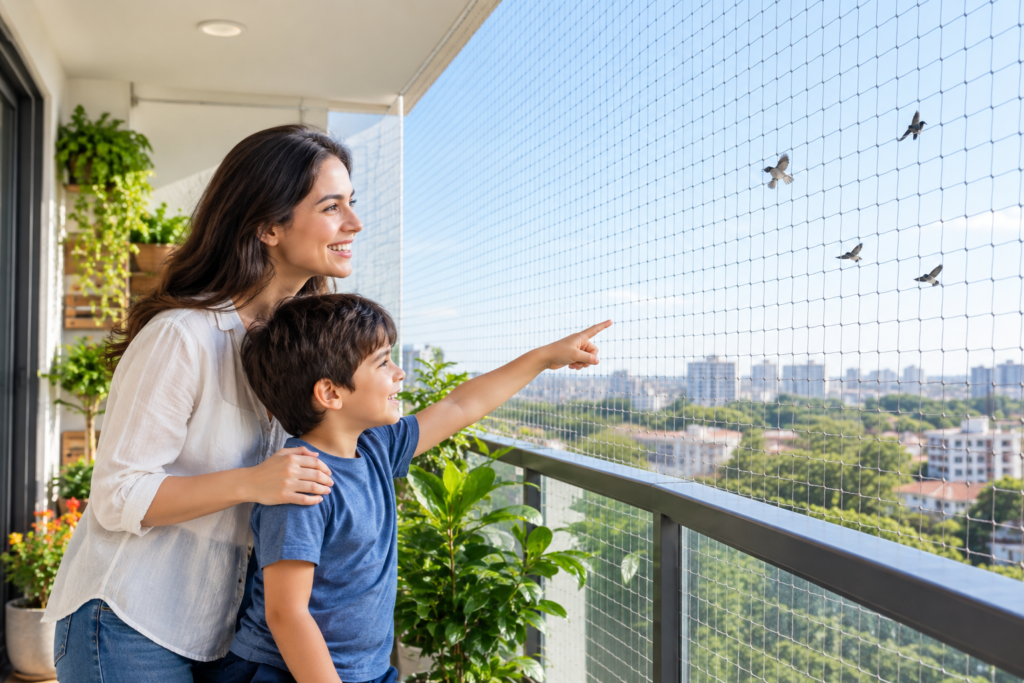
Bird netting stops pigeons from roosting on balconies. The mesh creates a physical obstacle that birds cannot squeeze through, and it’s invisible enough not to ruin the look of a heritage terrace.
In my experience, the most common bird pests in Melbourne are feral pigeons, rainbow lorikeets and starlings. Um, each species has a different wingspan and beak size, which dictates the mesh size you need. Selecting the right mesh size is essential to prevent smaller birds like sparrows from slipping through.
Bird netting protects fruit trees from parrots. By covering the canopy, you keep the birds from pecking at ripe fruit, which can save you a lot of loss during the summer harvest.
Choosing the Right Mesh Size
The mesh size you choose should match the target bird species, and for larger birds such as pigeons and magpies, a 25 mm opening works well, while for tiny finches a 6 mm mesh is required. Victoria’s wildlife‑safe regulations set a minimum of 6 mm for protecting native birds, so you must not go smaller than that.
Bird netting blocks seagulls from nesting under eaves. Seagulls have a larger body & need a bigger opening so a 25 mm mesh is sufficient to keep them out without harming larger birds that might be passing through.
Black netting blends with shadowed areas on brick façades, while white netting is more visible on light‑coloured walls. The colour choice can affect how noticeable the net is to both humans and birds. In leafy suburbs like Hawthorn, black netting often looks less intrusive.
Bird netting prevents lorikeets from entering garden feeders. Lorikeets are attracted to bright colours, so a net with a neutral shade reduces visual attraction.
Materials, Durability and UV Protection
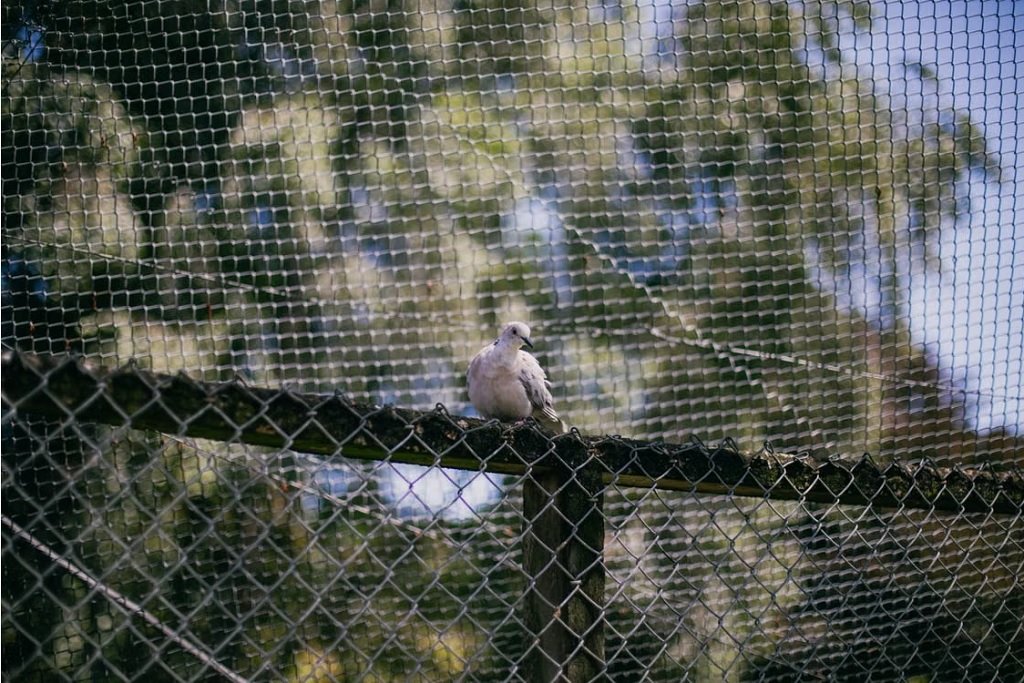
Modern bird netting is made from high‑density polyethylene (HDPE) or polypropylene, both of which resist rot and mildew. HDPE is slightly heavier but offers better UV resistance, which is crucial for Melbourne’s sunny summers.
Bird netting shields rooftops from rain‑driven debris. The sturdy weave catches leaves and twigs before they can clog gutters, reducing maintenance on your property.
When you buy netting look for a UV‑stabilised rating of at least 5 years. This rating indicates how long the material will retain its strength under continual sun exposure.
Bird netting keeps wind‑driven seeds from scattering across your lawn. The mesh acts as a windbreak, which can be especially helpful in open‑plan suburbs like Docklands.
Step‑by‑Step Installation Guide
Measure the area accurately before you cut any net. Use a laser distance measurer for precise dimensions, especially on irregular rooflines. Mark the corners with chalk & add a 10 cm allowance for overlap.
Bird netting covers garden beds from sparrows. You know? By laying the net directly on the soil and securing it with garden staples, you create a barrier that is both effective and easy to remove for seasonal planting.
Set up a sturdy frame using galvanized steel or aluminium poles. The poles should be spaced no more than 1.5 m apart to prevent sagging under wind load. In Victorian homes with high fences use corner brackets to keep the frame square.
Bird netting secures fruit trees during blossom season. Drape the net over the entire canopy and tie it at the trunk with soft rope to avoid damaging bark.
Secure the net edges with UV‑resistant zip ties or stainless‑steel clips. Make sure the ties are tight enough to prevent gaps but not so tight that they cut into the mesh.
Bird netting eliminates gaps around vents and skylights. Ah, use custom‑cut pieces to fit around these openings, and seal the edges with silicone sealant for a weather‑tight finish.
Safety Considerations
When working on ladders, always have a partner hold the base. Wear gloves to protect your hands from sharp mesh edges. In windy conditions, wait for a calm period to avoid the net snapping.
Maintenance, Cleaning and Longevity
Inspect the net regularly for tears, especially after storms. Small holes can be repaired with UV‑resistant patch tape, which restores the barrier without replacing the whole sheet.
Bird netting reduces the need for chemical deterrents. By providing a physical barrier you avoid the health risks associated with poisons and noisy devices.
Clean the net with a low‑pressure hose and mild detergent if it becomes dirty. Avoid high‑pressure washers that could tear the mesh.
Bird netting remains effective for up to seven years with proper care. After that, the UV protection may start to fade, and you should consider replacing it to maintain performance.
Legal and Environmental Requirements
Victoria’s wildlife protection law mandates that any netting used on residential properties must allow safe escape for native birds. This means you should install a “release panel” of at least 10 cm in any net covering a large area.
Bird netting complies with standards for durability & wildlife safety. Look for a compliance label on the packaging to verify the product meets these standards.
In areas near the Yara River, extra care is needed to protect water‑fowl. Use a finer mesh and ensure the net does not trap ducks or swans.
Bird netting supports pollinator movement when you include small gaps or sleeves… These openings let bees and butterflies pass while still keeping pest birds out.
Professional Installation vs DIY
DIY installation can save money but requires careful measurement and proper hardware. I mean, if you’re not comfortable working at height, hiring a professional is the safer option.
Bird netting services in Melbourne often include a site survey, which helps identify hidden entry points that a homeowner might miss.
Professional installers use tension‑adjustable brackets that keep the net taut even in high winds. Like, this reduces sagging and prolongs the net’s lifespan.
When you choose a contractor, ask for references from similar projects in suburbs like St Kilda or Brunswick. Local experience ensures they understand the specific bird species and weather patterns.
Integrating Netting with Other Pest Management Strategies
Combine netting with visual deterrents such as reflective tape for added protection. The tape confuses birds and encourages them to avoid the area altogether.
Bird netting works alongside ultrasonic devices that emit bird‑specific frequencies. While the devices alone are rarely sufficient, they add an extra layer of deterrence.
In vineyards netting over rows of vines prevents large flocks of starlings from feeding on grapes. The net can be installed on a lightweight frame that rolls up for harvest.
For vegetable gardens use a low‑profile net that can be lifted easily for planting and harvesting. I mean this flexibility keeps the garden productive year after year.
Conclusion
Choosing the right bird netting for your Melbourne property means balancing durability, aesthetics and wildlife safety. By measuring accurately, selecting the proper mesh size and installing securely, you can keep pest birds out while still allowing pollinators to do their work. For a long‑lasting, effective solution, consider a professional audit and use a certified product that meets Australian standards. The right bird netting can protect your home, garden and fruit trees for years to come.
When you’re ready to protect your space, remember that a well‑installed Bird netting Is the simplest, most reliable barrier against unwanted avian guests.


