
Blocked drains are one of those household headaches that can quickly escalate from a minor annoyance to a full-blown emergency. Whether you’re dealing with a sluggish bathroom drain or a complete sewage backup at your business premises, knowing how to respond can save you time, money, and a whole lot of stress. The key is understanding when you can tackle the problem yourself and when it’s time to call in the professionals.
We will walk you through everything you need to know about handling blocked drains. You’ll discover what causes these frustrating blockages, the warning signs to watch for, and DIY methods worth trying. We’ll also cover when professional help is essential, what to expect in terms of costs, and how to prevent future blockages. Whether you’re a homeowner or business owner, you’ll find practical advice to help you act fast when drains stop draining.
What Causes Blocked Drains?
Common Causes in Residential Properties
Your home’s drains face daily challenges that can lead to blockages over time. In the bathroom, hair is the number one culprit, combining with soap scum to create stubborn clogs that build up gradually. That seemingly innocent strand of hair going down the plughole joins hundreds of others to form a tangled mess.
Kitchen sinks have their own enemies. Grease and cooking oils might flow down easily when hot, but they solidify as they cool, coating pipe walls and trapping food particles. Coffee grounds, rice, and fibrous vegetables are also common offenders that don’t break down easily.
Toilets often suffer from flush and forget mishaps. Wet wipes (even those labelled flushable), cotton buds, sanitary products, and excessive toilet paper can create serious blockages. Kids are also known for testing whether toys can survive the journey down the loo spoiler alert, they usually can’t.
Common Causes in Commercial Properties
Commercial properties face unique challenges due to high volume usage. Restaurants battle constant grease buildup, while hair salons deal with hair accumulation on an industrial scale. Office buildings with dozens of staff using facilities daily put enormous strain on plumbing systems.
Older commercial buildings often have ageing infrastructure that’s more prone to problems. Pipes may have narrowed over decades of mineral buildup, or joints may have weakened, creating spots where debris accumulates.
External Factors You Can’t Control
Sometimes blockages occur through no fault of your own. Tree roots are surprisingly aggressive, seeking out moisture in your pipes and infiltrating through tiny cracks. Heavy rainfall can overwhelm stormwater systems, causing backups. Collapsed or damaged pipes from ground movement or age can also create blockages that require professional intervention.
Warning Signs You Have a Blocked Drains
Catching a blockage early can prevent a minor issue from becoming a major emergency. Here’s what to watch for:
- Slow-draining water: If water takes longer than usual to disappear, something’s building up
- Gurgling sounds: Strange noises from pipes indicate air trapped by a blockage
- Unpleasant odours: Foul smells rising from drains suggest debris is decomposing
- Water pooling: Puddles appearing near drains or in unexpected areas signal trouble
- Multiple fixtures affected: When several drains act up simultaneously, you’ve likely got a main line issue
Don’t ignore these signs hoping they’ll resolve themselves. They rarely do, and delays often mean more expensive repairs down the track.
Can I Unblock a Blocked Drains Myself?
DIY Methods Worth Trying First
Before calling a plumber, there are several techniques worth attempting. Start with boiling water simply pour a kettle of boiling water down the drain and wait. This can dissolve soap buildup and shift minor grease blockages. Follow up with a mixture of baking soda and vinegar for extra cleaning power.
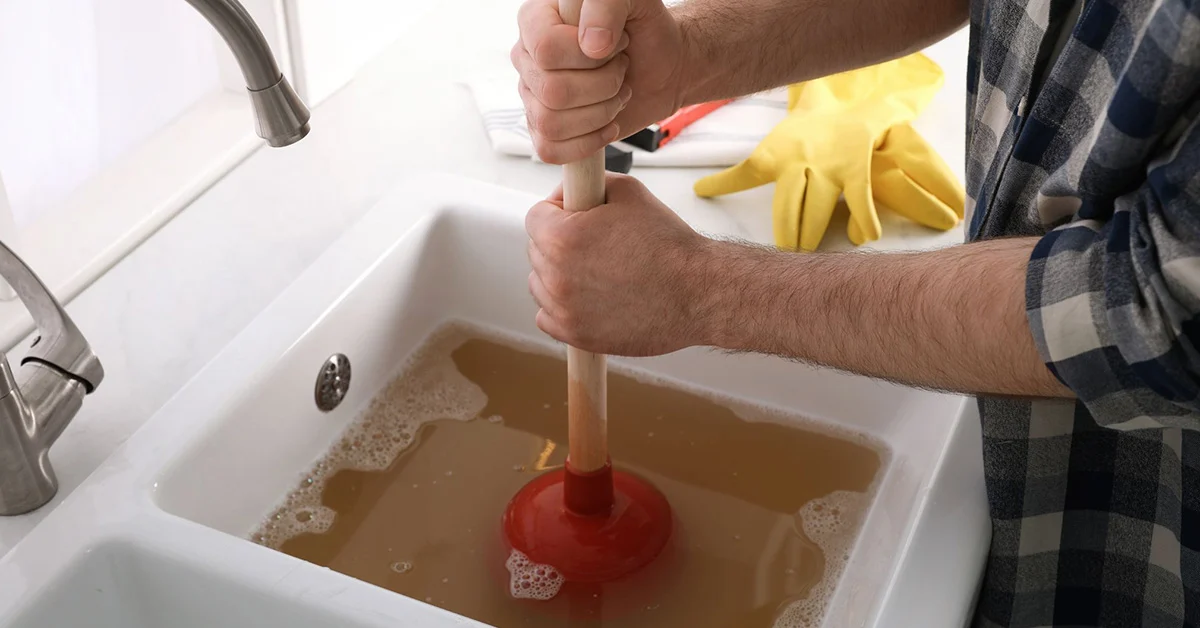
A plunger remains one of the most effective tools for clearing blockages. Make sure you’re using the right type cup plungers work best for sinks, while flange plungers suit toilets. Create a tight seal and use firm, consistent pumping motions.
For bathroom drains, try manually removing visible debris. Pop off the drain cover and use a bent wire coat hanger or drain snake to pull out hair and gunk. It’s not glamorous, but it’s often surprisingly effective.
When DIY Makes Things Worse
Chemical drain cleaners might seem like an easy fix, but they can cause more harm than good. These harsh chemicals can damage pipes, harm the environment, and create dangerous fumes. If your first DIY attempt doesn’t work, repeated chemical use can weaken your plumbing system.
Stop and call a professional if water is backing up into other fixtures, you notice sewage odours, or the blockage returns quickly after clearing. Persistent problems usually indicate a deeper issue requiring specialist equipment.
How Do You Unblock a Badly Blocked Drains?
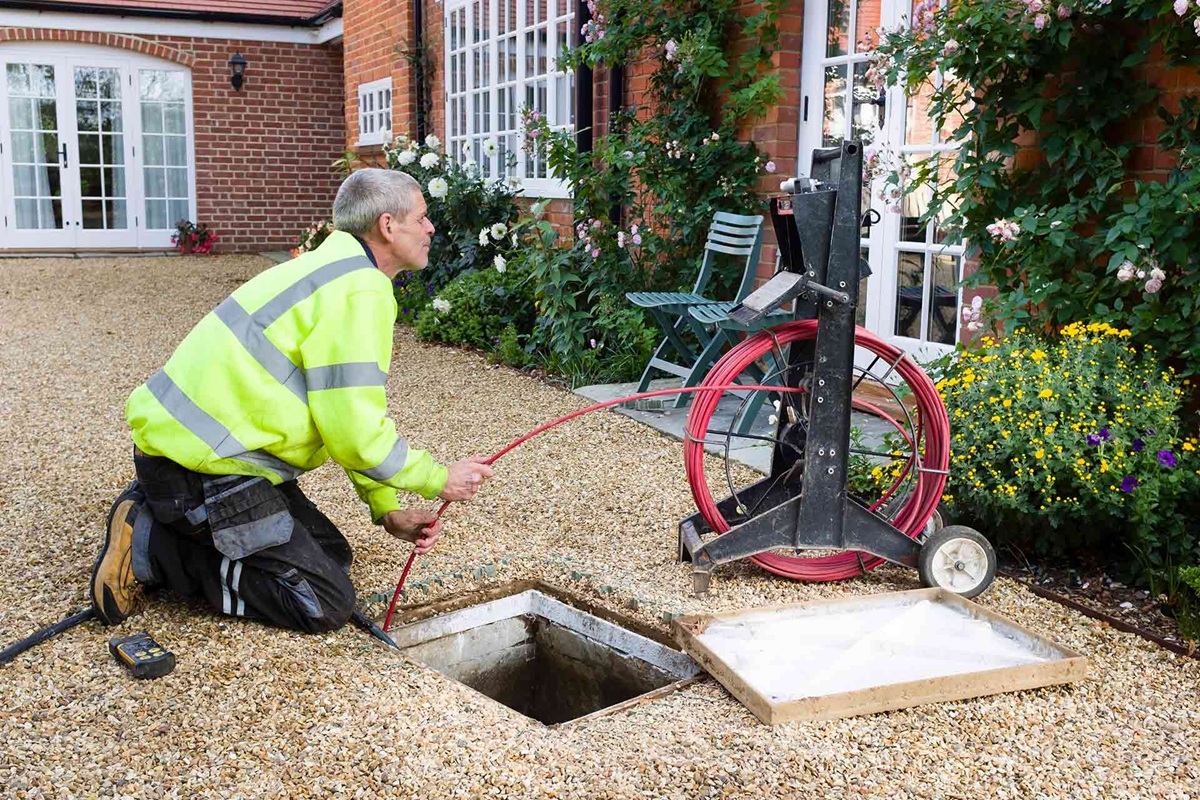
Severe blockages need professional intervention. Drain snaking and rodding use flexible cables to physically break through obstructions, while high-pressure water jetting blasts away stubborn buildup with incredible force. This method is particularly effective for grease accumulation and tree roots.
CCTV drain inspections allow plumbers to see exactly what’s causing the problem. A tiny camera travels through your pipes, revealing cracks, root intrusion, or collapsed sections. This technology takes the guesswork out of diagnosis and ensures the right approach is used from the start.
What Is the Fastest Way to Clear a Blocked Drains?
For quick relief, try the boiling water and plunger combination first. If that fails, professional emergency services can often respond within hours. Many Australian plumbers offer same-day callouts for urgent situations.
Keep in mind that temporary fixes like partially clearing a blockage aren’t permanent approaches. A quick patch might get water flowing, but without addressing the root cause, you’ll likely face the same problem again soon.
Emergency Blocked Drains Solutions for Businesses
Why Commercial Blockages Require Urgent Attention
For businesses, a blocked drains isn’t just inconvenient it’s potentially devastating. Health and safety compliance requires functional plumbing, and authorities can shut down premises that don’t meet standards. Restaurants, cafes, and food businesses face particularly strict requirements.
Customer experience suffers when toilets are out of order or unpleasant odours permeate your premises. Your reputation could take a hit that’s harder to repair than any pipe. Plus, every hour your business is disrupted costs money in lost revenue and productivity.
Minimising Disruption During Repairs
The good news is that many emergency plumbers offer after-hours and weekend services specifically for commercial clients. This means repairs can happen outside trading hours, minimising impact on your operations. When booking, ask about scheduling flexibility and estimated completion times.
How to Choose an Emergency Plumber for Blocked Drains
Look for licenced, insured professionals with strong reviews from local customers. Ask about response time guarantees and whether they offer 24/7 availability. Reputable plumbers should be happy to answer questions about their experience and methods.
Watch out for red flags like reluctance to provide written quotes, pressure tactics, or vague answers about licencing. A trustworthy plumber builds their reputation on quality work and fair dealing.
How Do I Stop My Drains from Blocking Again?
Prevention is always better than cure. Homeowners should install drain guards to catch hair and debris, run hot water after washing dishes, and never pour grease down the sink. Regular cleaning with baking soda and vinegar keeps pipes fresh.
Business owners benefit from scheduled maintenance programmes that identify potential problems before they become emergencies. Staff training on what shouldn’t go down drains makes a real difference, and restaurants must maintain grease traps properly to comply with regulations.
When Is a Blocked Drains Considered an Emergency?
A blocked drains becomes an emergency when it poses health risks, such as sewage backing up into living or working spaces. Sewage contains harmful bacteria and requires immediate professional attention. Structural damage from water overflow also qualifies as urgent.
If you notice water damage spreading, multiple drains failing simultaneously, or raw sewage odours, don’t wait—call an emergency plumber straight away.
Acting Fast Saves Time, Money, and Stress
Blocked drains happen to everyone eventually, but how you respond makes all the difference. Understanding the causes and warning signs helps you catch problems early, while knowing basic DIY techniques can resolve minor blockages quickly.
For serious blockages, professional help is essential. Quality emergency plumbers have the equipment and expertise to diagnose problems accurately and fix them properly. While costs vary, investing in professional service often saves money compared to repeated DIY attempts or water damage repairs.
The smartest move? Build a relationship with a trusted local plumber before emergencies strike. Having a reliable professional on speed dial means you’ll never be left scrambling when drains stop draining. Your future self will thank you for the peace of mind.


