
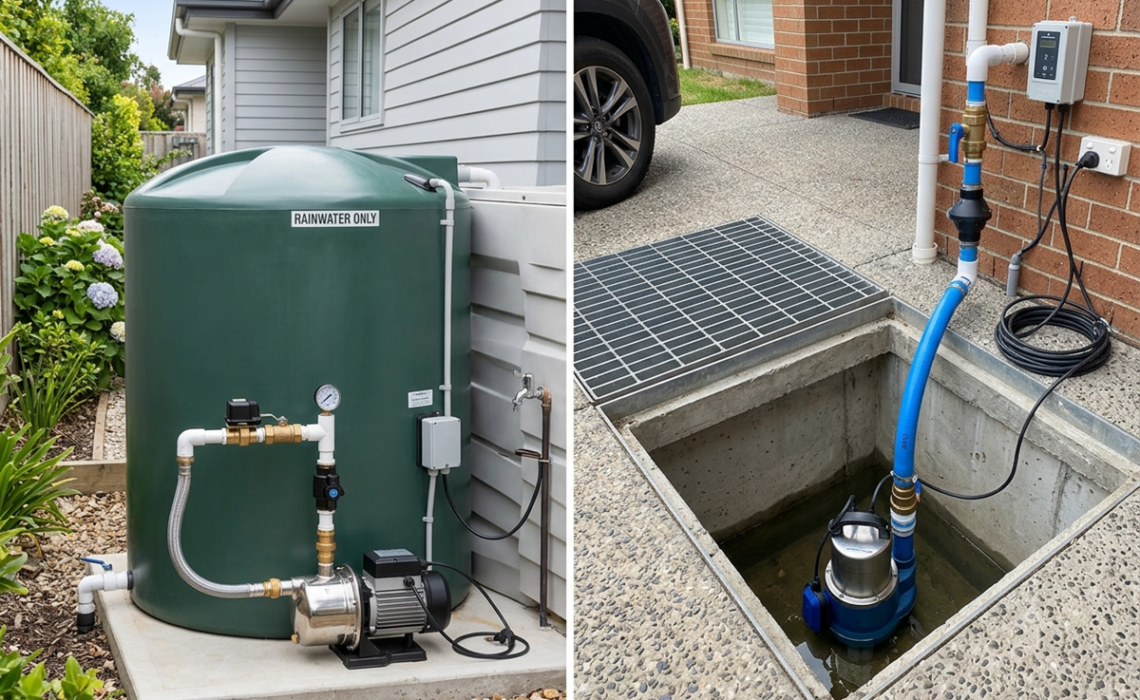
Water pressure isn’t just about convenience it affects everything from how quickly you can fill a kettle to whether your washing machine works properly. For Australian homeowners relying on rainwater tanks, achieving consistent water pressure can feel like an uphill battle. The good news? A quality water tank pumps can transform your water system from frustrating to fantastic.
In this guide, we’ll explore everything you need to know about water tank pumps. You’ll discover how they work, which type suits your needs, and how to get the best performance from your setup. Whether you’re dealing with a stubborn dribble from your taps or planning a new tank installation, you’ll find practical advice to help you achieve reliable water pressure year-round.
Understanding Water Tank Pumps: The Basics
What Is a Water Tank Pumps and How Does It Work?
A water tank pumps does exactly what the name suggests it pumps water from your tank to where you need it. Without a pump, you’re relying entirely on gravity to move water through your pipes. Unless your tank sits significantly higher than your house, that gravity-fed pressure often isn’t enough.
The pump creates pressure by drawing water from the tank and pushing it through your plumbing system. Most modern pumps automatically switch on when you open a tap and turn off when you close it. This automatic operation means consistent pressure without any manual intervention.
Types of Water Tank Pumps for Home and Commercial Use
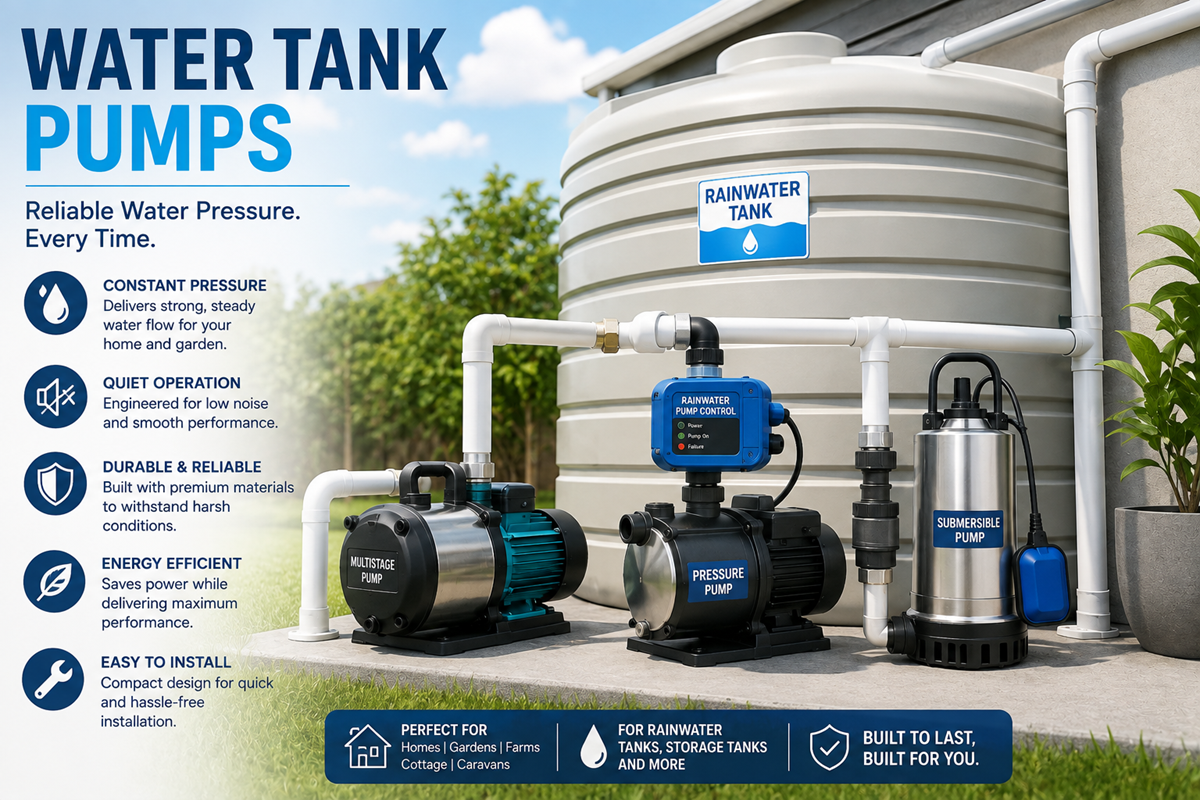
There are several pump types to consider:
- Pressure pumps sit outside the tank and are ideal for most residential applications
- Submersible pumps operate inside the tank, making them quieter but harder to access for maintenance
- Variable speed pumps adjust their output based on demand, saving energy when full pressure isn’t needed
Signs You Need a Water Tank Pumps
Why Is My Water Pressure So Low from My Tank?
Low pressure from your tank typically comes down to one of several issues. Your tank might be positioned too low relative to your house, creating insufficient gravity-fed pressure. Alternatively, your existing pump might be undersized, worn out, or incorrectly configured.
Blockages in pipes or filters can also restrict flow dramatically. Sometimes the problem is as simple as a partially closed valve somewhere in the system. Before assuming you need a new pump, it’s worth checking these basics first.
Common Symptoms of Poor Water Flow in Australian Homes
You’ll notice poor water flow in everyday activities. Showers lose pressure when another tap opens. The garden hose produces a weak spray. Appliances like washing machines take forever to fill. Hot water systems struggle to maintain temperature because flow is too slow.
These symptoms often worsen during summer when water usage peaks. If you’re experiencing multiple issues simultaneously, a pump upgrade could solve several problems at once.
When Low Pressure Becomes a Bigger Problem
Beyond inconvenience, consistently low pressure can cause real issues. Some appliances won’t function correctly below certain pressure thresholds. Fire safety can be compromised if you’re relying on tank water for bushfire protection. Poor pressure also means less efficient water usage overall, which matters when tank levels drop during dry spells.
How to Choose the Right Water Tank Pumps
What Size Pump Do I Need for My Water Tank?
Water tank pumps sizing depends on your household’s water demands and how many outlets might run simultaneously. A small unit might handle a single tap brilliantly but struggle when the shower, washing machine, and kitchen tap all compete for water.
For most Australian homes, a pump delivering 40-60 litres per minute at 200-300 kPa pressure handles typical needs comfortably. Larger properties or households with high water usage may need something more powerful.
Matching Pump Capacity to Your Household Demands
Think about your peak usage times. Morning routines often mean multiple showers, flushing toilets, and running taps simultaneously. Your pump needs to handle these demands without pressure dropping noticeably.
Consider these factors:
- Number of bathrooms
- Garden irrigation requirements
- Distance from tank to furthest outlet
- Elevation changes across your property
Key Features to Look for When Buying
Prioritise these features when shopping:
- Automatic operation with reliable pressure switching
- Dry-run protection to prevent damage when tank levels drop
- Thermal overload protection for motor longevity
- Quality materials resistant to corrosion
- Reasonable warranty from reputable manufacturers
The Role of Pipe Diameter and Tank Height
Larger diameter pipes reduce friction losses, allowing more water to flow with less pressure drop. This becomes increasingly important over longer distances. Tank height affects gravity-fed pressure every metre of elevation provides approximately 10 kPa of pressure.
Even with a pump, minimising these losses means your equipment works more efficiently. Less strain on the pump translates to longer lifespan and lower running costs.
Installation and Maintenance Tips
DIY vs Professional Installation: What You Should Know
While handy homeowners can install basic pump setups, there are good reasons to consider professional help. Incorrect installation can damage equipment, void warranties, or create safety hazards. Plumbing regulations in Australia require certain work be completed by licensed professionals.
If you’re comfortable with basic plumbing and your setup is straightforward, DIY installation is achievable. Complex systems or unfamiliar territory warrant professional assistance.
How to Maintain Your Water Tank Pumps for Longevity
Regular maintenance keeps your pump running smoothly for years:
- Clean inlet filters every few months
- Check for leaks around connections
- Listen for unusual noises indicating wear
- Ensure adequate ventilation around the motor
- Test pressure switch operation periodically
Most water tank pumps require minimal attention but reward basic care with extended service life.
Troubleshooting Common Pump Problems
Water tank pumps that won’t start often have tripped thermal protection or electrical issues. Cycling on and off frequently suggests air leaks or pressure switch problems. Reduced pressure might indicate worn impellers or blocked filters.
Before calling a professional, check the obvious power supply, filter condition, and whether valves are fully open. Many issues have simple solutions.
Achieving Reliable Water Pressure Year-Round
Getting great water pressure from your tank system isn’t complicated once you understand the basics. The right water tank pumps, properly installed and maintained, transforms frustrating trickles into satisfying flow. Take time to assess your household’s needs before purchasing, and don’t hesitate to seek professional advice for complex situations.
Whether you’re upgrading an existing system or starting fresh, investing in quality equipment pays dividends through years of reliable service. Your morning showers will thank you, your garden will flourish, and those annoying pressure drops will become a distant memory.


