
Ever thought about how much time you actually spend at your kitchen sink? Whether you’re washing up after a big family roast, rinsing veggies for a salad, or simply filling the kettle for your morning cuppa, your sink is genuinely the workhorse of your kitchen. So, what happens when it’s looking tired, stained, or just not cutting it anymore? Perhaps you’ve been eyeing up those sleek, modern designs and wondering if now’s the time to make the switch?
If you’re searching for kitchen sinks Adelaide has plenty of options to suit every style and budget. But before you head to Bunnings or your local plumbing supplier, it helps to know exactly what you’re getting into. Installing a new kitchen sink might seem straightforward, but there’s more to it than meets the eye—from understanding your kitchen’s plumbing to choosing the best kitchen sink drain for your needs.
In this guide, we’ll walk you through everything you need to know about upgrading your sink. You’ll learn how to pick the right size, explore popular styles available in Australia, and get a complete walkthrough of the installation process. Plus, we’ll cover kitchen sink repair costs and maintenance tips to keep your new sink looking brilliant for years. Let’s get stuck into it!
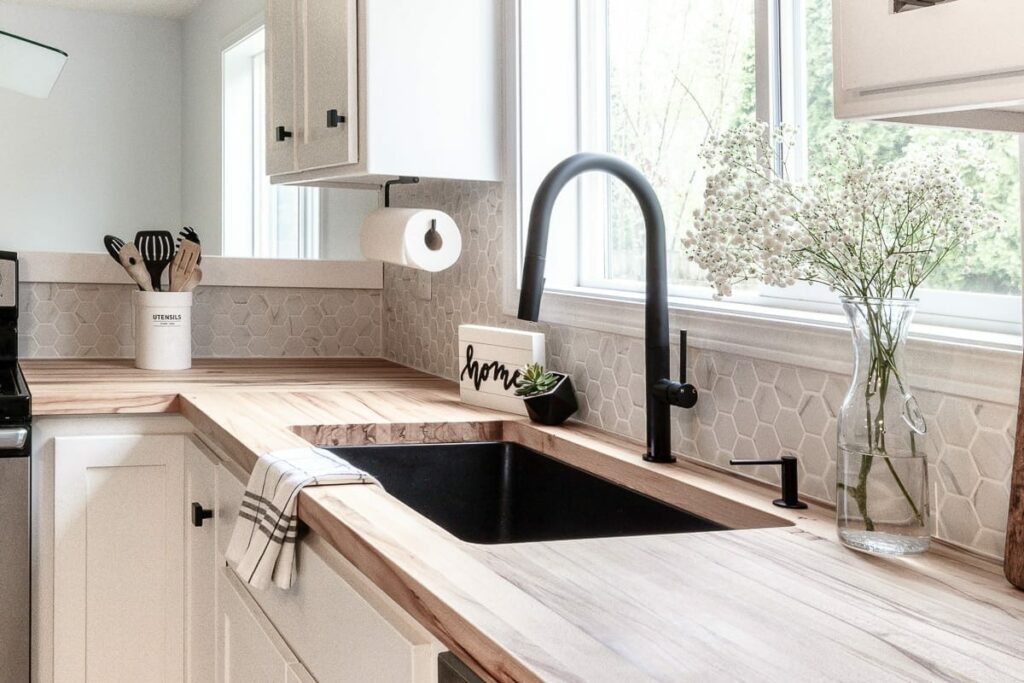
Choosing the Right Kitchen Sink for Your Adelaide Home
Understanding Kitchen Sink Size and Kitchen Wash Basin Size
Getting the kitchen sink size right is absolutely crucial. Too small, and you’ll struggle to fit your larger pots and pans. Too big, and you’ll sacrifice valuable bench space. Start by measuring your existing cabinet space—most standard base cabinets are 600mm wide but double-check yours before shopping.
The kitchen wash basin size you choose depends on how you use your kitchen. A single large bowl works brilliantly for washing big items, while a double bowl setup lets you wash and rinse simultaneously. Consider your daily routine and pick accordingly.
Popular Kitchen Sink Styles in Australia
Australian homeowners are spoilt for choice when it comes to styles. Undermount sinks create a seamless look and make wiping crumbs directly into the basin a breeze. Top-mount (or drop-in) sinks are easier to install and replace. Farmhouse sinks with their exposed fronts add character to country-style kitchens.
Materials: Which Option Suits Your Lifestyle?
Stainless steel remains the most popular choice—it’s durable, affordable, and works with any design. Composite granite sinks offer a premium look and resist scratches beautifully. Ceramic sinks suit traditional kitchens but require gentle handling to prevent chips.
Shopping for Your Sink: Bunnings and Other Australian Retailers
When browsing sink Bunnings options, you’ll find everything from budget-friendly basics to designer pieces. The benefit of shopping at sink – Bunnings stores is that you can see products in person and chat with staff about compatibility. Other retailers like Reece, Tradelink, and online specialists also stock excellent ranges worth exploring.
What You Need to Know About Your Kitchen’s Plumbing
How Does Kitchen Plumbing Work?
Understanding your kitchen’s plumbing helps you make informed decisions during installation. Water flows to your sink through supply lines (hot and cold), while wastewater drains away through the P-trap and connects to your home’s main drainage system.
The P-trap—that curved pipe under your sink—serves a vital purpose. It holds water that creates a seal, preventing sewer gases from entering your home. When installing a new sink, ensuring this connection is watertight is non-negotiable.
Assessing Your Current Plumbing Setup
Before purchasing a new kitchen, sink and taps combination, take photos of your existing setup. Note the position of supply lines, the drain location, and any garbage disposal units. This information helps you choose compatible products and identify potential installation challenges.
When Should You Call a Licensed Plumber?
While DIY installation is possible for confident handy-people, certain situations call for professional help. If you’re relocating your sink, dealing with old or corroded pipes, or feel uncertain about any aspect, calling a licensed plumber is the smart move. In Australia, plumbing work that affects water supply or drainage legally requires a licensed tradesperson in most states.
Selecting the Best Kitchen Sink Drain for Your Needs
Types of Drains and Waste Systems
The best kitchen sink drain depends on your sink type and personal preferences. Basket strainer wastes are common and include a removable basket that catches food scraps. Pop-up wastes offer a sleeker look with a simple push mechanism. Overflow systems provide extra protection against accidental flooding.
For double bowl sinks, you’ll need to decide between a single drain or dual drain setup. Consider whether you want separate waste connections or a joined system that feeds into one outlet.
What Makes a Quality Drain System?
Look for brass or stainless-steel components—they’ll outlast plastic alternatives significantly. Quality seals and gaskets prevent leaks and ensure a tight fit. Spending a bit extra on your drain system saves headaches down the track, trust me on this one.
Choosing and Fitting a Kitchen Mixer Tap
How to Choose a New Kitchen Sink and Taps Combination
Your tap should complement both your sink and overall kitchen aesthetic. Consider spout height and reach—tall taps suit deep sinks and fill large pots easily. Pull-out spray taps offer flexibility for rinsing and cleaning.
When selecting a new kitchen sink and taps package, check that tap hole positions align with your chosen sink. Some sinks come with pre-drilled holes, while others require separate drilling or wall-mounted taps.
Step-By-Step: Fitting a Kitchen Mixer Tap
Fitting a kitchen mixer tap is manageable for most DIY enthusiasts. Start by connecting flexible hoses to the tap body before installation—it’s much easier with good access. Feed the hoses through the sink’s tap hole, then secure the tap using the provided mounting hardware underneath.
Connect the flexible hoses to your hot and cold supply lines, ensuring you match them correctly (hot is typically on the left). Hand-tighten connections first, then use a spanner for a final quarter-turn. Turn on the water and check thoroughly for leaks.
Can You Install a Kitchen Tap Yourself?
Absolutely fitting a kitchen mixer tap is one of the more straightforward plumbing tasks. As long as you’re connecting to existing supply lines and following manufacturer instructions, most homeowners can handle this confidently. Just remember to turn off the water supply before starting!
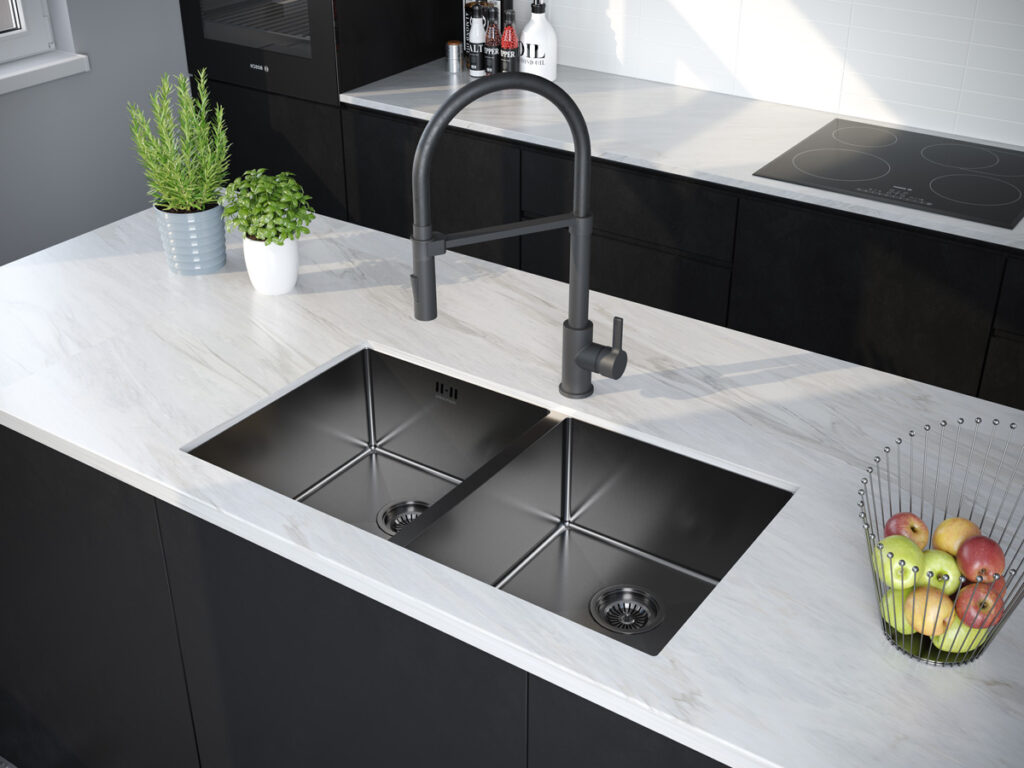
How to Install a Modern Kitchen Sink: A Complete Walkthrough
Tools and Materials You’ll Need
Gather these essentials before starting adjustable spanners, plumber’s tape, silicone sealant, bucket, towels, screwdriver, and a utility knife. Having everything within reach makes the job smoother and prevents frustrating mid-project hardware store runs.
Removing Your Old Sink Safely
Turn off water supply valves under the sink and disconnect supply lines. Place a bucket underneath to catch residual water. Disconnect the drainpipe from the P-trap. For top-mount sinks, cut through the sealant around the rim and carefully lift out. Undermount sinks require removing clips from below.
Installing the New Sink and Connecting Plumbing
Apply silicone sealant around the sink opening (for top-mount) or the rim (for undermount). Position your new sink carefully and secure according to type. Install the drain fitting with plumber’s putty underneath the flange for a watertight seal. Reconnect the P-trap and supply lines, then test everything for leaks.
Common Mistakes to Avoid During Installation
Rushing the silicone seal causes leaks and potential water damage—take your time. Over-tightening connections can crack fittings or damage threads. Forgetting to check for leaks before packing away tools leads to unpleasant surprises later. Always run water for several minutes and inspect every connection.
Kitchen Sink Repair: Costs and Considerations
How Much Does Kitchen Sink Repair Cost in Australia?
Kitchen sink repair cost varies depending on the issue. Simple fixes like replacing a washer might cost $80-$150 for a plumber callout. More complex repairs involving drain replacement or leak fixing typically run $150-$350. Full sink replacement installation by a professional range from $200-$500, excluding the sink itself.
DIY Repairs vs Professional Services
Minor issues like dripping taps or slow drains are often DIY-friendly. However, persistent leaks, major blockages, or anything involving pipe modifications warrant professional attention. Weigh up your skill level, available time, and the potential cost of getting it wrong.
Signs Your Sink Needs Repair or Replacement
Watch for persistent leaks, rust stains, chips or cracks, and drainage issues that won’t resolve. Strange odours despite cleaning might indicate hidden problems. Sometimes repair costs approach replacement prices—in these cases, upgrading makes more financial sense.
Maintaining Your New Kitchen Sink
Daily Care Tips for Longevity
Rinse your sink after each use and wipe it dry to prevent water spots and mineral buildup. Avoid leaving acidic foods or harsh chemicals sitting on surfaces. For stainless steel, clean with the grain using non-abrasive products. A weekly deep clean keep everything sparkling.
Preventing Common Drainage Issues
Use sink strainers to catch food scraps before they enter your drains. Flush drains weekly with boiling water to dissolve grease buildup. Avoid pouring cooking oil down the sink—it solidifies and causes blockages. These simple habits prevent most drainage dramas.
Conclusion: Enjoying Your Modern Kitchen Sink
Installing a modern kitchen sink transforms both the functionality and appearance of your kitchen. We’ve covered choosing the right size and style for your Adelaide home, understanding your plumbing setup, selecting quality drains and taps, and walking through the complete installation process. You’ve also learnt about repair costs and maintenance practices that’ll keep your sink in top condition.
My take? While fitting a kitchen mixer tap is definitely achievable for confident DIYers, don’t hesitate to call in professionals for the trickier bits. A properly installed sink lasts decades and saves money on repairs down the line. The investment in quality products and proper installation pays off every single day you use your kitchen.
So, whether you’re browsing sink options at Bunnings this weekend or planning a complete kitchen renovation, you’re now equipped with the knowledge to make smart decisions. Your new kitchen sink awaits—and honestly, there’s something deeply satisfying about that first dish wash in a beautiful, properly functioning basin. Happy renovating and enjoy your stunning new kitchen centrepiece!


