
Many homeowners choose expert termite control services when they notice signs of termite activity or want to prevent infestations before they begin. Professionals understand termite behaviour, identify early warning signs, and apply methods designed to stop termite colonies from spreading. In suburbs like Cranbourne, where homes often have gardens, wooden structures, and soil contact points, regular termite inspections and protective treatments help property owners maintain long-term building safety.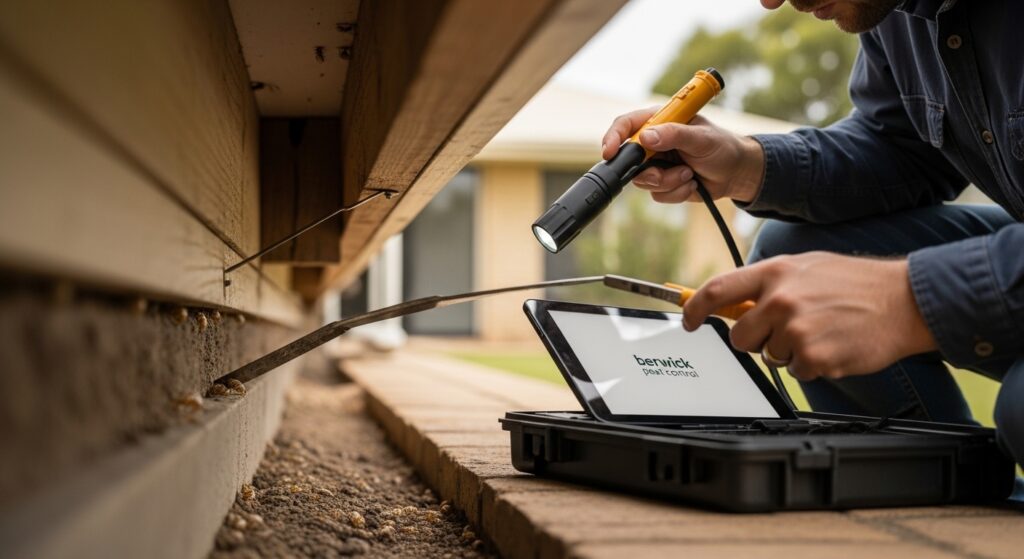
Understanding Termites and Their Impact on Homes
Termites are small insects that feed on materials containing cellulose, which is found in wood, paper, and plant matter. While they play a useful role in breaking down organic material in nature, termites can cause serious problems when they enter buildings.
Common Types of Termites in Australia
Several termite species are found across Australian suburbs, including those that commonly affect homes in Cranbourne. The most common groups include:
- Subterranean termites
- Dampwood termites
- Drywood termites
Subterranean termites are the most destructive because they build large colonies underground and travel through mud tunnels to reach food sources.
How Termites Damage Property
Termites often enter buildings through small cracks in foundations or areas where timber touches soil. Once inside, they feed on wooden structures such as:
- Wall frames
- Flooring
- Roof supports
- Decking
- Furniture
Because termites work quietly and often remain hidden, damage can continue for long periods before homeowners notice a problem.
Why Termite Activity Is Common in Cranbourne
Cranbourne and surrounding suburbs provide favourable conditions for termite colonies. Climate, soil conditions, and vegetation all influence termite activity.
Warm Climate and Moisture
Termites prefer warm environments with adequate moisture. Seasonal weather in Victoria can create conditions that allow termite colonies to thrive.
Gardens and Landscaping
Many homes in Cranbourne have gardens, timber fencing, and outdoor wooden structures. These features can attract termites if they are not properly maintained.
Soil Contact with Buildings
When wooden structures touch the ground, termites can easily access them from underground colonies. This is one of the main reasons termite control inspections are recommended for homes in the area.
Early Warning Signs of Termite Activity
Detecting termites early helps prevent major structural damage. Homeowners should watch for several common signs.
Mud Tubes
Subterranean termites often build mud tubes along walls or foundations. These tubes protect termites from light and allow them to travel safely between the soil and the building.
Hollow-Sounding Timber
Wood that sounds hollow when tapped may indicate termite feeding inside the structure.
Discarded Wings
During certain seasons, termites release winged swarmers that start new colonies. Finding small wings near windows or doors may signal termite activity nearby.
Tight Doors and Windows
Termite damage inside timber frames can cause doors or windows to become difficult to open or close.
If any of these signs appear, prompt termite control inspection is recommended.
How Professional Termite Inspections Work
A professional inspection is one of the most effective ways to detect termite activity before major damage occurs.
Property Assessment
Specialists examine both the interior and exterior of the property. They inspect foundations, roof areas, subfloors, and garden spaces for signs of termite presence.
Moisture Detection
Moisture meters and inspection tools help identify areas where termites may be active or where conditions favour infestation.
Identifying Risk Areas
Experts also look for conditions that attract termites, such as:
- Wood stored close to the house
- Garden beds touching walls
- Water leaks or drainage issues
- Untreated timber structures
These factors help determine the most suitable termite control strategy.
Common Termite Control Methods
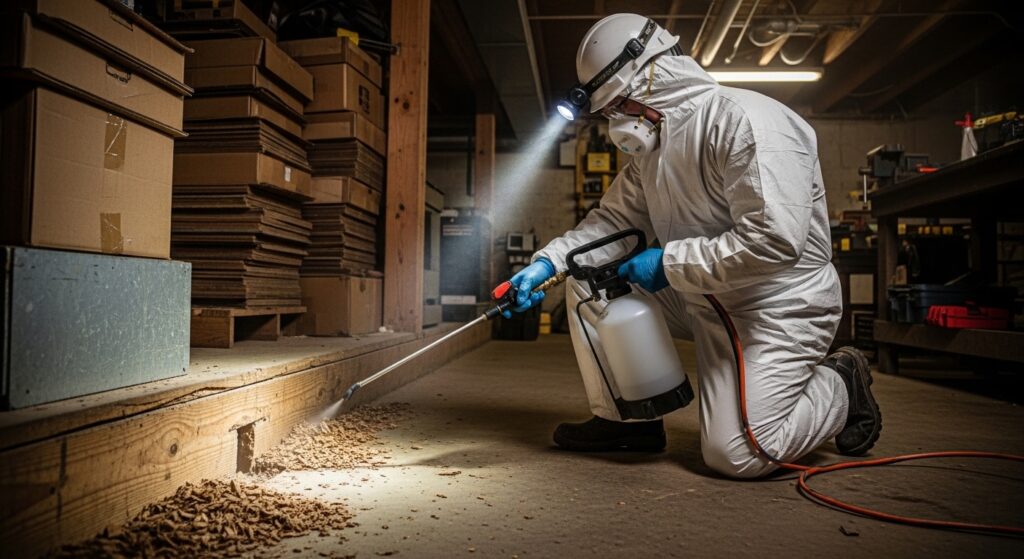
Professional termite management often combines several techniques designed to protect properties from infestation.
Termite Barriers
Physical or chemical barriers may be installed around the building to prevent termites from entering.
Baiting Systems
Bait stations are placed in the soil around the property. Termites feed on the bait and carry it back to the colony, helping reduce termite populations.
Timber Treatments
Protective treatments can be applied to exposed timber structures to discourage termite feeding.
Ongoing Monitoring
Regular inspections ensure that termite activity is detected quickly if it returns.
Preventing Termite Problems Around Your Home
Preventive maintenance is one of the most effective ways to reduce termite risk.
Maintain Good Drainage
Water accumulation near foundations can attract termites. Proper drainage and leak repairs help keep soil conditions less favourable for termite colonies.
Remove Timber Debris
Old wood, tree stumps, and timber waste around the property can attract termites. Removing these materials reduces potential food sources.
Maintain Garden Spaces
Keep garden beds away from exterior walls and avoid direct contact between soil and wooden structures.
Schedule Regular Inspections
Routine termite control inspections help detect problems early before damage becomes serious.
The Importance of Professional Termite Management
While some homeowners attempt simple pest prevention methods, termites require careful monitoring and treatment.
Experience with Termite Behaviour
Professionals understand how termite colonies grow and spread, allowing them to apply effective solutions.
Accurate Identification
Correctly identifying termite species is important because treatment methods may vary depending on the type.
Long-Term Protection
A complete termite control plan includes inspection, treatment, and prevention strategies designed to protect buildings for years.
Local Property Considerations in Cranbourne
Residential areas in Cranbourne include a mix of modern homes, gardens, and green spaces. These environments often create conditions that attract termites if properties are not properly maintained.
Homeowners who regularly inspect their buildings and follow preventive steps can significantly reduce the risk of termite infestations. Property maintenance, moisture control, and professional inspections all contribute to effective termite control.
Questions and Answers: Common Questions About termite control in Cranbourne
Q: How often should termite inspections be done in Cranbourne?
A: Many homeowners schedule inspections once a year. Regular checks help identify termite activity before major damage occurs.
Q: What attracts termites to homes?
A: Moisture, wood in contact with soil, and untreated timber structures are common factors that attract termites.
Q: Can termites damage a house quickly?
A: Termites can cause significant structural damage if they remain undetected for long periods.
Q: Are termite treatments safe for homes?
A: Professional termite treatments are designed to protect structures while following safety guidelines and regulations.
Q: How can homeowners reduce termite risk?
A: Maintaining dry soil around foundations, removing timber debris, and scheduling inspections are effective preventive measures.
Conclusion: Your Path to a Successful termite control in Australia
Termites remain one of the most serious threats to residential and commercial buildings across Australia. In growing suburbs such as Cranbourne, the combination of warm weather, soil contact, and garden landscapes can create favourable conditions for termite colonies.


