
For nearly a decade, the minimalist movement dominated home design. White walls, sleek surfaces, and “one good vase” minimalism had its era. But as we move deeper into 2026, something softer, richer, and undeniably nostalgic is taking its place. Suddenly, people are craving warmth again the kind only your mom’s living room seemed to have. Think layered textures, cozy clutter, sentimental corners, and the gentle hum of things that tell a story.
This return isn’t just about rejecting minimalism. It’s about reconnecting with comfort, personality, and emotional design at home.
The Rise of “New Nostalgia” Decor
Minimalism promised calm, but for many, it felt sterile. During the pandemic years, our homes became workspaces, classrooms, gyms, and sanctuaries. The clean white aesthetic no longer felt soothing it felt empty. As Gen Z and Millennials seek balance, decor trends have shifted toward what design experts now call “New Nostalgia.”
New nostalgia isn’t a cluttered free-for-all. It’s about intentional layering: mixing heirlooms with new finds, embracing imperfection, and letting your lived experience shape your interiors. Just as vintage clothing and analog cameras came back into style, this aesthetic celebrates authenticity over perfection.
Picture a cozy den with framed family photos, a bookshelf styled with dog-eared novels, and a mismatched yet harmonious quilt over the armchair. There’s a sense of story here a visual diary of life well-lived, instead of a showroom snapshot.
Texture, Warmth, and Sentimentality
At the heart of this “mom-inspired” aesthetic is texture. Modern interiors are moving away from smooth, repressed surfaces toward layers that invite touch. A wool throw, velvet cushions, and lived-in linen sheets instantly make a room feel emotionally grounded.
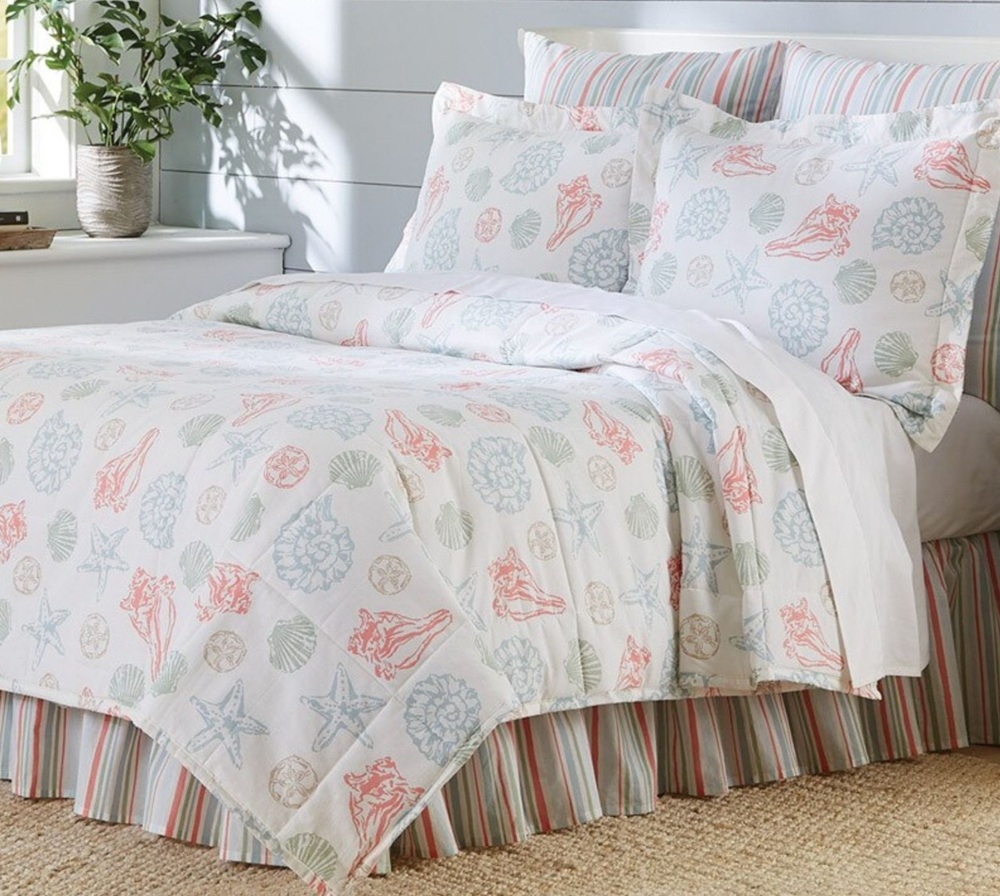
Even the most subtle accents like a bed skirt from Country Village Shoppe paired with vintage-style nightstands add nostalgia without feeling dated. Texture and layering communicate care and comfort. Your home becomes less about presentation and more about connection.
This approach aligns with the current wellness mindset. Studies show that sensory-rich environments can ease stress, boost creativity, and create feelings of safety. In 2026, we’re no longer chasing the fantasy of control through minimalism; we’re embracing emotional presence through design.
The Return of Pattern and Color
If minimalism gave us beige fatigue, this trend is the cure. Pattern is back in a big way florals, plaids, and old-school wallpapers inspired by mid-century homes. There’s something comforting about these familiar prints; they remind us of family gatherings, cozy nights, and timeless traditions.
Color psychology also plays a major role. Soft greens, warm ochres, and faded blues are everywhere because they evoke memories of nature and stability. A favorite green plaid blanket tossed on the couch can instantly transform a sterile room into a memory-filled space.
Designers are calling this movement the “layered life aesthetic.” It’s not maximalism for maximalism’s sake it’s emotional design, where beauty arises from belonging.
Mixing Eras and Emotions
Your mom’s house probably didn’t follow a single design theme. It blended the pieces that told her story hand-me-down furniture, souvenirs from family trips, inherited dishes. That’s the spirit of the 2026 design wave.
Mix a retro lamp with a mid-century credenza. Frame your kids’ artwork beside vintage botanical prints. Layer rugs with different patterns, or stack coffee table books you’ve actually read. These choices feel spontaneous, but they narrate your life with authenticity.
The secret? Contrast is your greatest ally. Pair the rough with the refined: a rustic wood table set against a glossy vase, or a handwoven throw draped across a clean-lined sofa. This balance between chaos and cohesion mirrors the human experience itself.
Sentimental Sustainability
Interestingly, the “new lived-in” aesthetic also aligns with sustainability. Instead of buying new, many homeowners are thrifting, upcycling, and repurposing sentimental items. A scratched dresser becomes an artful statement piece; your grandmother’s teacups find new life as planters.
In an age driven by fast fashion and fast interiors, sentimentality becomes an act of sustainability. Choosing to keep the things you love—no matter how imperfect keeps them out of landfills while keeping your memories close.
This emotional eco-consciousness resonates especially with younger generations. They’re discovering that home isn’t about following Pinterest-perfect design rules but about crafting a space that feels human.
Designing for Life, Not Instagram
Lived-in doesn’t mean messy; it means alive. The subtle imperfection books slightly askew, a half-drunk cup of tea on the table creates warmth that no decluttered shelf ever could.
Interior pros say the most inviting homes are those that feel lived in. A patterned rug softened by time, faded curtains filtered through sunlight, or the echo of laughter in a busy kitchen all contribute to the atmosphere.
The goal for the 2026 design is not visual perfection but emotional readability. A home should be instantly understandable: You can feel who lives there, what they value, and what they love.
If minimalism was about erasing identity, this new aesthetic celebrates it. Every thread, pattern, scratch, and story becomes part of your home’s personality. In short: your mom’s cozy, layered look was never outdated it was simply waiting for the rest of us to catch up.
As we step deeper into a decade shaped by digital overload, people want rooms that feel human again. They want warmth over white space, story over status, reality over curation.
The lived-in aesthetic isn’t about perfection; it’s about presence. Maybe Mom had it right all along.


