
Travertine has become a favourite choice for outdoor spaces across Australia, thanks to its natural elegance, durability, and versatility. But finding the right travertine pavers for sale can be challenging if you’re not familiar with the materials, suppliers, and installation processes. Working with experienced suppliers and understanding your local conditions ensures that your paved areas not only look stunning but also stand the test of time, especially when following expert tips on travertine paving choices.
Why Travertine Pavers Are a Popular Choice
Natural Beauty and Versatility
Travertine offers a classic, timeless look with natural colour variations, soft textures, and elegant patterns. It works well in:
- Patios and courtyards
- Pool surrounds
- Walkways and paths
- Driveways for light to moderate traffic areas
Its earthy tones complement modern and traditional Australian architecture, creating spaces that feel both welcoming and luxurious.
Durability in Australian Climates
Travertine performs well in varying Australian weather conditions. Its porous nature allows it to handle heat and heavy rainfall while providing a naturally slip-resistant surface. However, proper selection and installation are critical for long-term durability.
How to Choose the Right Travertine Pavers Suppliers
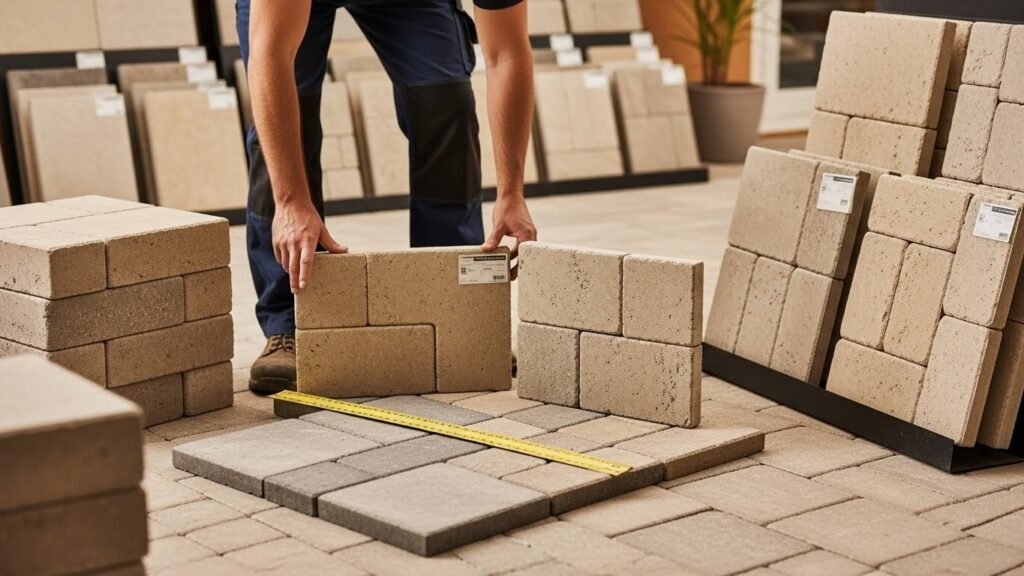
Selecting the right suppliers is as important as choosing the stone itself. Experienced travertine pavers suppliers provide insights into material quality, sourcing, and installation best practices.
Assessing Material Quality
When evaluating travertine, consider:
- Hardness and density – Higher density stones are more durable under foot traffic
- Water absorption – Lower absorption reduces staining and weather-related damage
- Finish options – Honed, tumbled, or brushed finishes affect texture, colour, and slip resistance
Reliable suppliers help you understand these factors and guide your choice based on your project’s needs.
Local Availability and Logistics
Australia’s regions vary in terms of stone availability. Working with suppliers who understand local demand ensures:
- Consistent colour and texture across your project
- Timely delivery to match installation schedules
- Reduced risk of sourcing inferior stone from distant quarries
Suppliers with strong local knowledge also understand climatic conditions, which is crucial for outdoor paving longevity.
Expertise and Support
Trusted suppliers offer more than just stone. They provide expert tips on travertine paving choices, such as:
- Handling and storage instructions to prevent damage before installation
- Recommendations for jointing sand and sealers
- Advice on drainage solutions to prevent water pooling
These insights make the installation process smoother and improve long-term performance.
Key Factors to Consider When Buying Travertine Pavers
Finish and Texture
The finish affects both aesthetics and safety:
- Honed – Smooth and modern, ideal for patios and walkways
- Tumbled – Slightly aged look with texture, suitable for rustic or traditional designs
- Brushed – Provides natural slip resistance, great for pool surrounds
Size and Pattern
Travertine comes in multiple sizes. Consider:
- Larger formats for open patios
- Smaller sizes for intricate patterns or curved pathways
- Mixed sizes for natural, dynamic layouts
Installation Requirements
Correct installation ensures longevity:
- A well-compacted base to prevent movement
- Proper edge restraints to maintain shape
- Adequate slope and drainage to prevent water damage
Following supplier recommendations improves durability and reduces maintenance.
Understanding Local Regulations and Considerations
Council Guidelines
Different councils across Australia have rules for outdoor paving, especially for driveways, pool surrounds, and public access areas. Common considerations include:
- Minimum paving heights for drainage
- Slip-resistance standards for wet areas
- Setbacks from boundaries or protected zones
Consulting with suppliers familiar with local regulations ensures compliance and avoids project delays.
Environmental and Cultural Factors
Australian outdoor spaces often reflect lifestyle and environmental considerations:
- Permeable paving options for water-sensitive urban design
- Materials that blend with natural surroundings
- Cultural influences in design patterns for heritage or traditional properties
Suppliers with local expertise can help match these elements to your travertine selection.
Maintenance Tips for Long-Lasting Travertine
Proper maintenance enhances both the beauty and durability of travertine pavers:
Cleaning
- Sweep or wash regularly to prevent dirt buildup
- Avoid harsh chemicals that may alter colour or surface texture
Sealing
- Some finishes benefit from sealing to reduce staining and water absorption
- Reapply sealers periodically based on supplier recommendations
Joint Care
- Monitor and refill jointing sand to prevent paver movement
- Weed control in joints ensures structural stability
Following expert tips on travertine paving choices ensures that the pavers maintain their look and performance for years.
Questions and Answers: Common Questions About Travertine Pavers for Sale in Australia
Q: How do I know if travertine pavers are suitable for my outdoor area?
A: Check the paver’s hardness, water absorption rate, and finish. Reliable suppliers provide guidance on which pavers suit Australian weather and usage conditions.
Q: Can travertine withstand coastal weather conditions?
A: Yes, but it is best to select dense stone with low water absorption and follow supplier advice for sealing and maintenance to protect against salt and moisture.
Q: What installation mistakes should I avoid with travertine pavers?
A: Common errors include poor base preparation, insufficient edge restraints, and inadequate drainage. Following supplier guidance and professional installation practices prevents these issues.
Q: Are there local Australian suppliers of travertine pavers I can trust?
A: Yes, working with established travertine pavers suppliers who know local climate and regulations ensures quality and consistent supply.
Q: How often should travertine pavers be maintained?
A: Regular sweeping and occasional washing are usually enough. Sealers and joint replenishment may be needed periodically based on exposure and use.
Conclusion: Your Path to a Successful Travertine Pavers for Sale in Australia
Choosing the right travertine pavers for sale involves more than just selecting stone. Working with knowledgeable suppliers, understanding local conditions, and following proper installation and maintenance practices ensures your paved areas remain attractive and functional for years.


