
Ever wondered why your pool cleaner isn’t delivering the sparkling results you expected? Are you making common mistakes that could be shortening your cleaner’s lifespan? If you own a pool in Melbourne, you know how crucial proper maintenance is for enjoying those gorgeous summer days without worrying about murky water or damaged equipment.
Owning a pool is brilliant but keeping it clean can feel like a never-ending battle. Many Melbourne pool owners invest in quality pool cleaners, only to unknowingly sabotage their effectiveness through simple yet costly errors. From running your cleaner at the wrong times to neglecting basic maintenance tasks, these mistakes can leave you with a dirty pool and an expensive repair bill.
In this guide, we’ll walk you through the most common blunders people make with their pool cleaners. Whether you’ve got a robotic cleaner, suction system, or pressure cleaner, you’ll learn exactly what to avoid. Plus, we’ll cover essential tips for above ground pool maintenance and care that’ll keep your pool pristine all year round. Let’s get stuck into it!
Understanding Your Pool Cleaner Type
Robotic Pool Cleaners
Robotic cleaners are the superstars of the pool cleaning world. They operate independently from your pool’s filtration system and run on electricity. These clever machines scrub, vacuum, and filter debris all on their own.
The beauty of robotic cleaners lies in their efficiency. They’re energy-saving and incredibly thorough. However, they require specific care that differs from other cleaner types. Understanding how to use a robotic pool cleaner properly is essential for getting the best results.
Suction Pool Cleaners
Suction cleaners connect to your pool’s skimmer or dedicated suction line. They use your pump’s power to move around and collect debris. They’re budget-friendly but put additional strain on your filtration system.
Pressure Pool Cleaners
These cleaners use water pressure from a booster pump or return line to propel themselves. They’re excellent at picking up larger debris and work independently of your filter. They’re popular for above ground pool care because they’re gentle yet effective.
Choosing the Right Cleaner for Above Ground Pool Care
Not every cleaner suit every pool. Above ground pools often have softer liners that require gentler cleaning action. Consider your pool’s size, shape, and debris load when selecting a cleaner. Matching the right equipment to your needs prevents damage and improves cleaning performance.
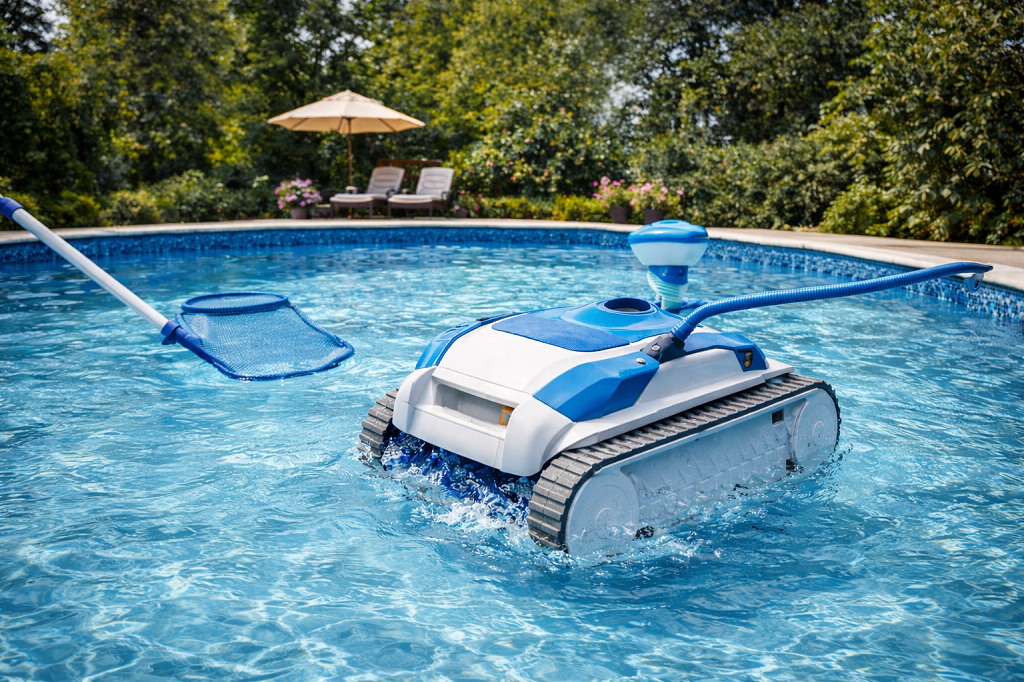
How to Use a Robotic Pool Cleaner: Common Mistakes to Avoid
Running the Cleaner for Too Long or Too Short
One of the biggest errors is timing. Running your robotic cleaner continuously won’t make your pool cleaner—it’ll just wear out the machine faster. Most robotic cleaners need only 2-3 hours per session to thoroughly clean an average pool.
On the flip side, cutting cycles short leaves debris behind. Follow your manufacturer’s guidelines for optimal run times. Your cleaner and your pool will thank you.
Neglecting to Clean the Filter Basket
Your robotic cleaner’s filter basket traps all the muck it collects. If you don’t empty it regularly, the cleaner loses suction power and efficiency. Make it a habit to rinse out the basket after every cleaning cycle.
A clogged filter forces the motor to work harder. This leads to overheating and premature failure. It takes just minutes to clean but saves you hundreds in repairs.
Leaving the Cleaner in the Pool When Not in Use
Many people leave their robotic cleaner submerged 24/7. This is a recipe for disaster. Constant exposure to pool chemicals degrades seals, plastics, and electronic components far faster than normal use.
Always remove your cleaner after each session. Store it in a shaded area away from direct sunlight. This simple step dramatically extends your cleaner’s lifespan.
Ignoring Cable Tangles and Storage
Tangled cables restrict movement and cause uneven cleaning. Before each use, lay out the cable straight in the sun for about an hour. The warmth helps remove kinks and twists.
Proper storage matters too. Don’t coil cables too tightly or leave them in twisted positions. A cable caddy keeps everything organised and tangle-free.
Above Ground Pool Maintenance Errors That Damage Your Cleaner
Skipping Pre-Cleaning Preparation
Jumping straight to your automatic cleaner without any prep work is tempting but problematic. Large debris like leaves, twigs, and insects should be skimmed manually first. Big items can clog your cleaner or damage its components.
Take five minutes to remove surface debris with a hand skimmer. Your cleaner works best on fine particles and settled dirt—not chunky debris that should’ve been removed beforehand.
Using Your Cleaner with Unbalanced Water Chemistry
Water chemistry affects more than just swimmer comfort. Highly acidic or alkaline water corrodes cleaner parts over time. Before running your cleaner, always check your pH, chlorine, and alkalinity levels.
Balanced water protects your cleaner’s seals, wheels, and internal mechanisms. It also improves cleaning effectiveness because properly treated water keeps debris from clinging to surfaces.
Running the Cleaner During Chemical Treatments
Just shocked your pool. Wait before deploying your cleaner. High chemical concentrations can damage sensitive components, particularly in robotic models. Give chemicals at least 24 hours to dissipate before running any cleaning equipment.
This applies to algaecide treatments too. Let the chemicals do their work first, then let your cleaner handle the aftermath.
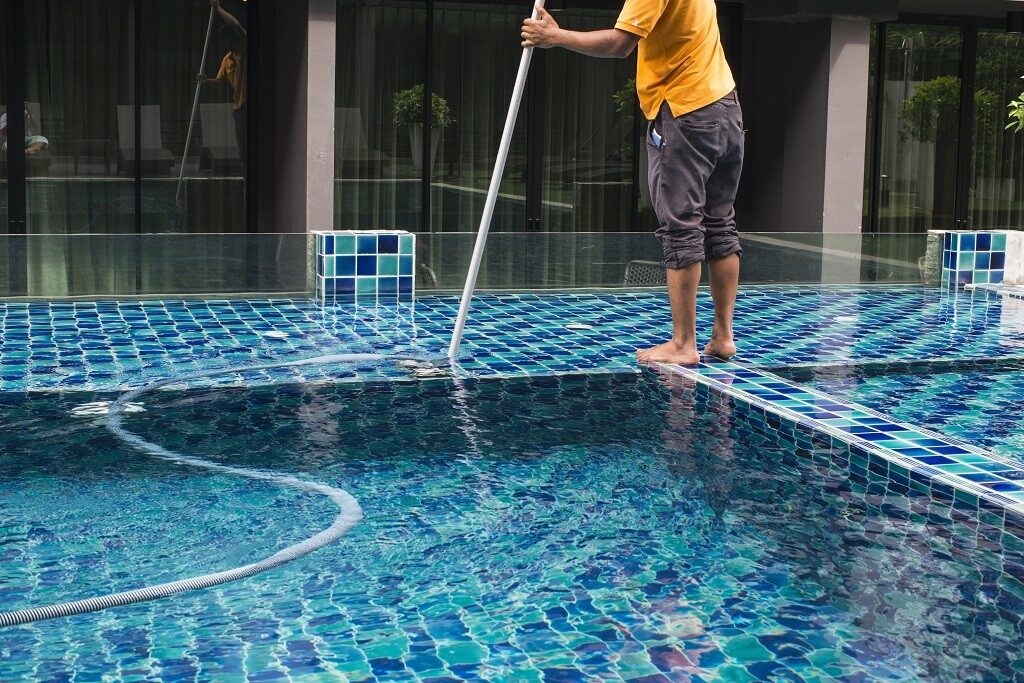
Above Ground Swimming Pool Care: The Overlooked Basics
Forgetting Regular Skimming Before Cleaning Cycles
We’ve touched on this, but it bears repeating. Regular manual skimming is non-negotiable for effective above ground swimming pool care. Leaves and debris sink quickly, creating more work for your cleaner.
Melbourne’s eucalyptus trees shed constantly, especially in autumn. A quick daily skim prevents debris from overwhelming your automatic system. Think of it as teamwork between you and your cleaner.
Neglecting Pool Walls and Waterline
Floor cleaning is important, but walls matter too. Algae and grime build up along the waterline and pool walls. Not all cleaners effectively address these areas, so manual brushing may be necessary.
Brush your walls weekly, focusing on the waterline where oils and sunscreen accumulate. This prevents stubborn stains that become harder to remove over time.
Ignoring Debris Build-Up Around the Pool Area
What surrounds your pool ends up in your pool. Dirty pool decks, overhanging branches, and nearby garden beds all contribute to debris load. Keep the area tidy to reduce how hard your cleaner has to work.
Trim back vegetation and regularly sweep or hose down your pool surrounds. Prevention beats constant cleaning every time.
Above Ground Pool Upkeep: Timing and Frequency Mistakes
How Often Should You Run Your Pool Cleaner?
Most pools benefit from cleaning 2-3 times weekly during swimming season. However, this varies based on usage, surrounding vegetation, and weather conditions. After storms or heavy use, additional cleaning sessions help maintain water quality.
Over-cleaning wastes energy and accelerates wear. Under-cleaning lets debris accumulate and makes eventual cleaning harder. Find your pool’s sweet spot through observation.
Seasonal Adjustments for Melbourne’s Climate
Melbourne’s weather is famously unpredictable. Summer demands more frequent cleaning due to increased use and debris. Winter requires less frequent sessions but shouldn’t be neglected entirely.
Adjust your schedule seasonally. More in spring when pollen fills the air, less during quiet winter months. Stay flexible and respond to what your pool actually needs.
Over-Reliance on Automatic Cleaners
Automatic cleaners are fantastic, but they’re not magic. They can’t replace proper water chemistry management, regular brushing, or timely filter maintenance. Think of your cleaner as one tool in your maintenance toolkit—not the entire solution.
Above ground pool upkeep requires a holistic approach. Combine automatic cleaning with manual tasks for best results.
Maintenance Above Ground Pool Owners Often Forget
Inspecting Hoses, Wheels, and Brushes
Regular inspections catch problems early. Check hoses for cracks, wheels for wear, and brushes for deterioration. Worn components reduce cleaning effectiveness and can damage your pool surface.
Monthly inspections take just minutes. Replace worn parts promptly to maintain optimal performance.
Checking for Wear and Tear
Beyond individual components, assess your cleaner’s overall condition. Look for cracks in housings, loose connections, and unusual noises during operation. Early detection prevents costly breakdowns.
When to Service or Replace Your Pool Cleaner
Even well-maintained cleaners eventually need professional attention. If your cleaner consistently underperforms despite proper care, it’s time for servicing. Most Melbourne pool shops offer repair services.
Quality cleaners last 5-8 years with proper care for above ground pool maintenance. If yours is struggling beyond that timeframe, replacement might be more cost-effective than repairs.
Care for Above Ground Pool: Protecting Your Investment
Proper Storage During Winter Months
Melbourne winters don’t require full pool closures, but reduced use means adjusted cleaner storage. Clean your unit thoroughly, dry it completely, and store it indoors if possible. Remove and store batteries according to manufacturer instructions.
Proper winter storage prevents cracking, warping, and moisture damage. Your cleaner will emerge ready for action come spring.
Avoiding Sun Damage to Cleaner Components
UV rays degrade plastics and rubber components. Never leave your cleaner in direct sunlight when not in use. A simple cover or shaded storage spot makes all the difference.
Using Compatible Cleaning Products
Not all pool chemicals play nicely with cleaner components. Stick to recommended products and avoid harsh chemicals that could damage seals or surfaces. When in doubt, consult your cleaner’s manual or a local pool professional.
Troubleshooting: Why Isn’t My Pool Cleaner Working Properly?
Cleaner Moving Slowly or Getting Stuck
Slow movement often indicates clogged filters or worn drive mechanisms. Check and clean filters first. Inspect wheels and tracks for debris or damage next. Ensure nothing’s obstructing the cleaner’s path.
Poor Suction or Missed Spots
Weak suction typically means blocked filters, worn components, or pump issues. For suction cleaners, check your pool pump’s performance too. Missed spots suggest the cleaner needs longer run times or the pattern requires adjustment.
When to Call a Professional in Melbourne
Some problems require expert help. Electrical issues, motor failures, or persistent performance problems warrant professional attention. Melbourne has plenty of qualified pool cleaners technicians who can diagnose and repair issues quickly.
Final Thoughts: Getting the Most from Your Pool Cleaner
Keeping your pool pristine doesn’t have to be complicated. By avoiding these common mistakes, you’ll extend your cleaner’s life and enjoy consistently clear water. Remember, proper care for above ground pool equipment pays dividends in performance and longevity.
The key takeaways? Clean filters regularly, remove your cleaner between uses, maintain balanced water chemistry, and don’t neglect manual maintenance tasks. These simple habits make all the difference between a struggling system and a smoothly operating one.
Your pool is meant to be enjoyed, not stressed over. Treat your cleaner well, stay consistent with maintenance, and you’ll spend more time swimming and less time troubleshooting. Here’s to crystal-clear water and hassle-free pool ownership in Melbourne!


