
Have you ever driven past a stunning modern home only to discover it was built from old shipping containers? Are you curious whether these steel boxes can actually provide a safe, comfortable living space? And what about those concerns you’ve heard regarding toxicity and structural integrity – are they legitimate worries or just myths?
Shipping container homes have become increasingly popular across Australia, and it’s easy to see why. These innovative dwellings offer an affordable, sustainable alternative to traditional construction methods. From tiny houses in rural Queensland to sleek urban studios in Melbourne, Australians are embracing the container home movement with enthusiasm. Building a shipping container home appeals to eco-conscious buyers, budget-savvy investors, and anyone seeking a unique architectural statement.
In this article, we’ll explore everything you need to know about the durability and safety of shipping container houses. We’ll investigate what these containers are made of, examine whether they’re toxic to live in, and break down the Australian regulations you’ll need to navigate. Plus, we’ll cover costs, practical conversion tips, and what daily life in a container home actually looks like. By the end, you’ll have a clear picture of whether making a container home is the right choice for you.

Understanding Shipping Container Construction
What Are Shipping Containers Made Of?
Shipping containers are primarily constructed from Corten steel, also known as weathering steel. This material is specifically designed to withstand harsh marine environments during ocean transport. The steel walls are typically 1.6mm to 2mm thick, providing exceptional strength while keeping the overall weight manageable.
The flooring in most containers consists of marine-grade plywood, usually around 28mm thick. This hardwood base is treated to resist moisture and pest damage. The container’s frame features heavy-duty steel corner posts and cross members, creating a rigid structural skeleton that can support immense loads.
How Shipping Containers Are Built for Durability?
These containers aren’t built for delicate handling – they’re engineered to survive some of the toughest conditions imaginable. During their working life at sea, they endure extreme temperature fluctuations, salt spray, heavy rain, and constant movement. The manufacturing standards ensure each container can be stacked up to nine units high when fully loaded.
This industrial-grade construction translates brilliantly to residential use. A well-maintained shipping container can easily last 25 to 30 years as a home, with many lasting significantly longer. The inherent strength means they’re naturally resistant to many issues that plague conventional buildings.
Are Shipping Containers Toxic to Live In?
Paint, Coatings and Chemical Treatments
One of the most common questions people ask is: are shipping containers toxic to live in? The honest answer is – it depends on how they’re prepared. New containers come coated with industrial paints containing zinc and chromium to prevent rust. These coatings can release harmful vapours, particularly in hot weather.
The floor treatments are another consideration. The marine plywood is often treated with pesticides and fungicides to prevent deterioration during shipping. These chemicals, including formaldehyde-based compounds, can off-gas into your living space if not properly addressed.
Previous Cargo Concerns
Used containers bring additional considerations. Over their working life, they may have transported anything from organic produce to industrial chemicals. Residues from fumigation treatments, chemical spills, or contaminated cargo can linger on interior surfaces.
Some containers have carried pesticides, solvents, or other hazardous materials. Without proper documentation of a container’s cargo history, you could be bringing unknown contaminants into your home.
How to Ensure Your Container Is Safe for Living?
Thankfully, making a shipping container home safe is entirely achievable. Start by purchasing containers with documented histories – ideally one-trip containers that have only been used once. Before conversion, have the container professionally cleaned and sand-blasted to remove existing coatings.
Apply non-toxic, food-safe sealants and paints designed for residential use. Proper insulation creates a barrier between you and the steel walls, while good ventilation systems help eliminate any residual off-gassing. Many Australians choose to let their stripped containers air out for several weeks before beginning interior work.
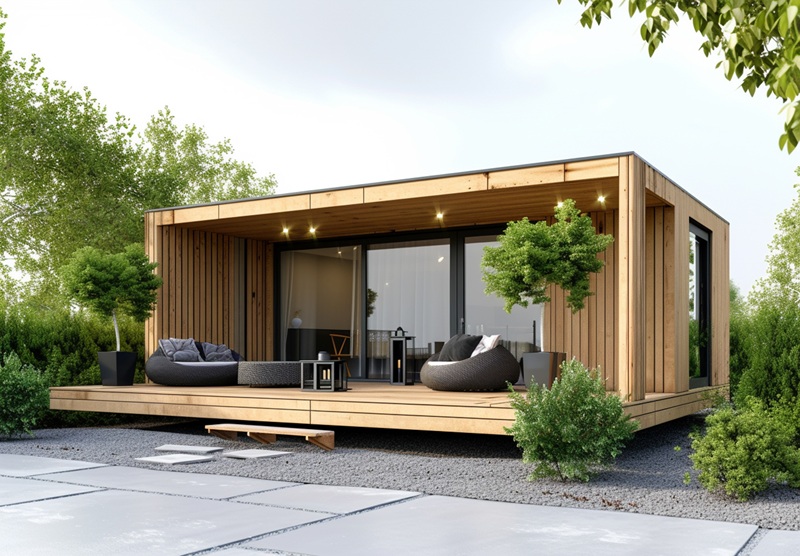
The Structural Durability of Shipping Container Homes
Weather Resistance and Longevity
Building with shipping containers gives you a head start on weather resistance. The Corten steel naturally forms a protective rust layer that actually prevents deeper corrosion. This self-healing property means minor scratches don’t lead to structural damage.
Container homes handle heavy rain, strong winds, and even cyclonic conditions remarkably well. The rigid steel frame distributes forces evenly, making these structures incredibly stable.
How Container Homes Handle Australian Climate Conditions?
Australia’s diverse climate presents unique challenges. In tropical regions, the main concerns are humidity and corrosion. Proper ventilation, quality coatings, and regular maintenance keep these issues at bay. The steel construction also means no termite worries – a significant advantage in many Australian locations.
In hotter inland areas, thermal mass becomes crucial. Without insulation, steel containers can become unbearably hot. However, well-insulated container homes with appropriate shading perform excellently, maintaining comfortable temperatures year-round.
Pest and Corrosion Resistance
Unlike timber-framed homes, shipping containers are naturally pest-resistant. Termites, borers, and other wood-destroying insects simply can’t penetrate steel. This advantage alone saves Australian homeowners thousands in potential damage and treatment costs.
Corrosion management requires attention, particularly in coastal areas where salt air accelerates rust. Regular inspections, touch-up painting, and protective coatings ensure your container home remains structurally sound for decades.
Safety Considerations When Building a Shipping Container Home
Fire Safety Standards
Steel doesn’t burn, giving container homes an inherent fire safety advantage. However, the contents inside – insulation, furnishings, and finishes – must still meet Australian fire safety standards. Non-combustible or fire-rated insulation materials are essential.
Your container home will need smoke alarms, fire extinguishers, and appropriate exit routes just like any conventional dwelling. Building a shipping container house requires compliance with the same fire safety regulations as traditional construction.
Insulation and Ventilation Requirements
Proper insulation is non-negotiable when living in a shipping container. Spray foam insulation is popular because it creates an airtight seal and prevents condensation – a major issue with steel structures. Alternatively, rigid foam panels or wool batts work well with proper vapour barriers.
Ventilation prevents moisture buildup and ensures healthy indoor air quality. Plan for adequate windows, exhaust fans in wet areas, and potentially mechanical ventilation systems for larger container homes.
Structural Modifications and Load-Bearing Capacity
Cutting openings for windows and doors requires careful planning. Container strength lies primarily in the corner posts and top rails. Excessive cutting or improper reinforcement can compromise structural integrity.
Work with qualified engineers when planning modifications. Reinforcing steel frames around openings maintains strength while creating the living spaces you need.
Shipping Container Homes Australia Regulations
Council Approvals and Building Permits
Shipping container homes Australia regulations vary between states and local councils. Generally, you’ll need development approval and a building permit before converting a shipping container into a dwelling. Some councils are more receptive than others, so research local attitudes early in your planning.
Start by contacting your local council’s planning department. They’ll advise on specific requirements, setbacks, and any restrictions that apply to your block.
Australian Building Code Compliance
All residential container conversions must meet the National Construction Code (NCC) requirements. This covers structural adequacy, fire safety, accessibility, energy efficiency, and amenity standards. Your container home must perform equally to any conventional house.
Engaging a registered building certifier ensures your project meets all necessary standards. They’ll issue the required compliance certificates throughout construction.
Zoning Laws for Container Dwellings
Zoning regulations determine what you can build and where. Some zones specifically permit alternative housing, while others may restrict non-traditional construction methods. Rural and semi-rural zones typically offer more flexibility than established suburban areas.
Check whether your land allows for secondary dwellings if you’re planning a shipping container tiny house as a granny flat or rental property.
How Much Does a Shipping Container Cost?
New vs Used Container Pricing
So, how much does a shipping container cost? New 20-foot containers typically range from $3,500 to $5,500, while 40-foot containers cost between $5,500 and $8,500. Used containers are considerably cheaper – often 30% to 50% less – but require careful inspection for damage and contamination.
One-trip containers offer a middle ground. These have made just one journey from the manufacturing country, so they’re essentially new but priced more competitively.
Total Cost of Building a Shipping Container Home
The container itself is just the beginning. A basic shipping container bedroom or studio conversion might cost $30,000 to $60,000 including insulation, electrical, and basic finishes. Full residential conversions range from $80,000 for modest single-container homes to $250,000 or more for larger, high-specification builds.
Factors affecting cost include foundation requirements, utility connections, interior fit-out quality, and council fees. Building a container home often costs 10% to 20% less than equivalent conventional construction.
.png)
Converting a Shipping Container: Practical Applications
Shipping Container Tiny House Options
A shipping container tiny house offers an affordable entry point into home ownership. Single 40-foot containers provide approximately 30 square metres of living space – enough for a compact one-bedroom layout with kitchen and bathroom. These minimalist dwellings suit singles, couples, or those embracing simpler lifestyles.
Creating a Shipping Container Bedroom or Studio
Many Australians convert shipping containers into standalone bedrooms, home offices, or creative studios. These additions provide extra space without major renovations to existing homes. A shipping container bedroom can be fully self-contained or connected to your main residence.
Using Shipping Containers to Build Homes: Step-by-Step Overview
To build a shipping container home, start with thorough planning and council consultation. Source quality containers, engage qualified professionals, and prepare proper foundations. The conversion process involves cutting openings, reinforcing structure, installing insulation, and fitting out interiors – essentially creating a home within the steel shell.
Living in a Shipping Container: What to Expect
Living in a shipping container offers a unique lifestyle experience. Well-designed container homes feel surprisingly spacious and comfortable. The industrial aesthetic appeals to many, though conventional finishes can create traditionally homey interiors.
Long-term maintenance requirements are generally minimal. Regular inspections, occasional touch-up painting, and standard home upkeep keep container dwellings in excellent condition.
Making a Container Home: Is It Right for You?
Container homes suit certain situations brilliantly. They’re ideal for those seeking affordable housing solutions, sustainable building options, or architecturally distinctive homes. However, they require more planning, specific expertise, and may face council resistance in some areas.
Consider your location, budget, lifestyle needs, and willingness to navigate the approval process. For many Australians, the benefits far outweigh the challenges.
Conclusion: Are Shipping Container Houses Worth the Investment?
Shipping container houses absolutely can be durable, safe, and comfortable – provided they’re properly converted and maintained. The steel construction offers natural advantages including pest resistance, structural strength, and longevity that rivals or exceeds conventional building methods.
The key to safety lies in proper preparation. Addressing chemical residues, installing appropriate insulation, ensuring adequate ventilation, and meeting building code requirements transforms industrial containers into healthy living spaces. Working with experienced professionals who understand both container construction and Australian regulations is essential.
If you’re drawn to the sustainability, affordability, and unique character of container homes, they’re genuinely worth considering. Take time to research your local regulations, budget realistically for the full conversion process, and choose quality containers. With thoughtful planning and proper execution, your shipping container home can provide decades of comfortable, safe living while making a distinctive architectural statement.


