
In this comprehensive guide titled Everything About SDS Hammer Drill Bits, we’ll walk you through everything from how these specialized bits work, what sets quality options apart, safety and compliance considerations in Australia, and how suppliers can position their products for success.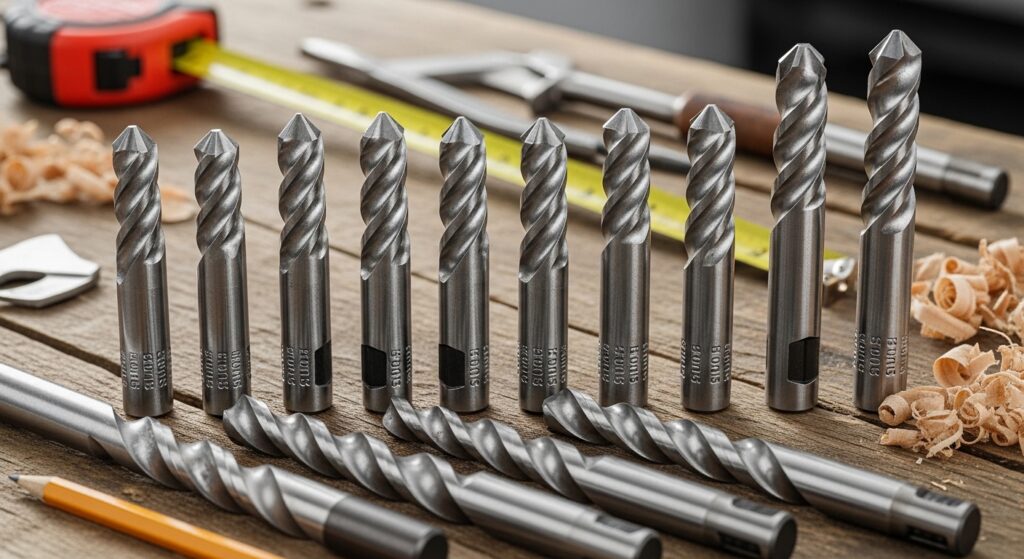
What Are SDS Hammer Drill Bits?
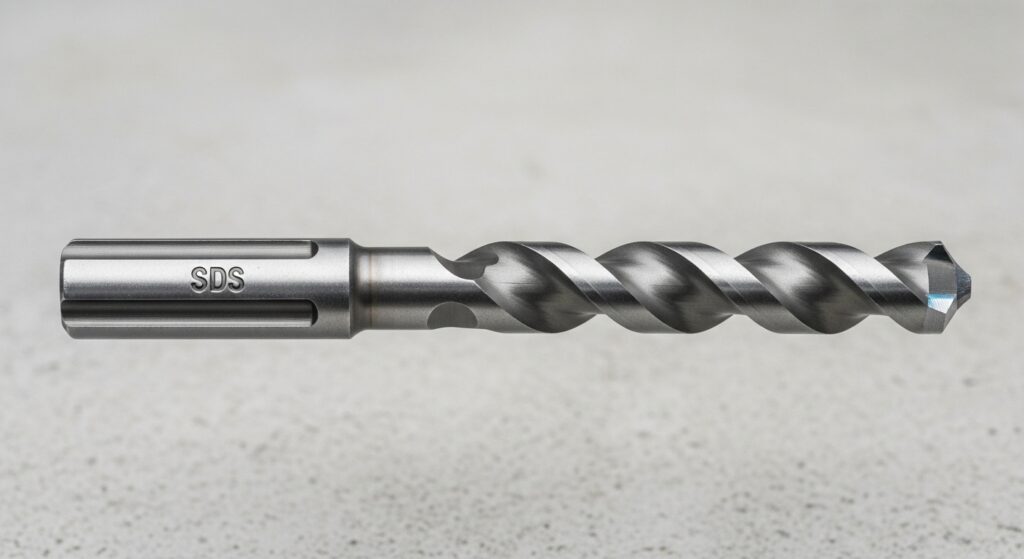
SDS hammer drill bits are specialized bits designed for use with SDS (Slotted Drive System) rotary hammers and hammer drills. SDS systems allow drill bits to move back and forth while rotating, which improves drilling speed and reduces wear on both the tool and the bit. This makes them ideal for heavy-duty tasks in concrete, masonry, brick, and stone.
How SDS Systems Work
SDS drill systems use a unique shank design that fits into compatible hammer drills without the need for a chuck. There are different SDS sizes such as SDS‑Plus and SDS‑Max each built for specific tasks:
- SDS‑Plus: Commonly used for light to medium drilling (up to about 26 mm)
- SDS‑Max: Designed for large, heavy‑duty drilling and chiselling
This distinction is important for suppliers to communicate to customers, as mixing the wrong size with incompatible tools can lead to poor performance or damage.
Why SDS Hammer Drill Bits Matter for Australian Construction
In Australian construction and trade projects, efficiency and reliability are non‑negotiable. Whether you’re working on residential foundations, commercial build‑outs, or retrofit installations, sds hammer drill bits deliver a balance of speed and durability that traditional twist bits cannot match.
Performance in Local Conditions
Australia’s diverse environments from humid coastal areas to dry inland regions can impact drilling performance. High quality SDS bits:
- Maintain sharpness longer in abrasive sandstone and concrete
- Resist corrosion in coastal construction zones
- Provide reliable performance in repetitive drilling
Suppliers must understand these environmental factors to recommend the best bits to clients based on where and how they’ll be used.
Choosing the Right SDS Hammer Drill Bit
Selecting the correct sds hammer drill bits depends on several factors:
Drilling Material
Different materials require specific bit designs:
- Concrete: Carbide‑tipped bits for reinforced and non‑reinforced concrete
- Brick & Block: Standard bits with optimized flute design
- Stone & Masonry: Special geometries that resist chipping
Bit Diameter and Length
Suppliers should stock a range of diameters and lengths to cover:
- Small holes for anchors and dowels
- Large holes for pipes, ducting, or rebar clearance
- Deep holes requiring extended lengths
Quality and Durability
Look for features such as:
- Hardened steel and quality carbide tips
- Spiral flute designs that eject dust efficiently
- Precision manufacturing that reduces wobble and breakage
Communicating these technical differences helps customers choose the best bit for their specific job.
SDS Plus vs SDS Max: What You Need to Know
Understanding the distinction between SDS Plus and SDS Max is crucial for both users and suppliers:
SDS Plus
- Typically used with smaller hammer drills
- Suitable for drilling up to about 26 mm in diameter
- Great for most residential and light commercial jobs
SDS Max
- Works with larger, more powerful hammers
- Designed for holes larger than 26 mm
- Ideal for heavy construction, chiselling, and demolition
By clearly explaining these differences, you help customers select the correct bit and tool pairing, increasing satisfaction and reducing returns or complaints.
Safety and Compliance in Australia
When supplying sds hammer drill bits in Australia, you must consider safety standards and workplace regulations.
Australian Standards
Tools and accessories used on construction sites must comply with relevant Australian Standards (AS/NZS). While many SDS bits are imported, ensure that:
- They meet quality standards expected under AS/NZS
- Suppliers provide documentation where required
- Users are informed about proper PPE (Personal Protective Equipment)
Safe Usage Practices
Always guide customers to:
- Wear eye protection and dust masks
- Use hearing protection on hammer drills
- Secure workpieces before drilling
- Ensure bits are compatible with the specific hammer drill
Emphasizing safety increases customer trust and positions your business as responsible and professional.
Supply and Market Considerations
To effectively stock and sell sds hammer drill bits in Australia, consider these supply chain and market factors:
Local Demand Trends
Australian builders and contractors often demand:
- High durability for frequent use
- Wide range of sizes ready‑to‑ship
- Competitive pricing with quality assurance
Understanding these needs helps suppliers manage inventory effectively.
Competitor Landscape
Suppliers in cities like Sydney, Brisbane, Melbourne, and Perth face competition from:
- Major hardware chains
- Online marketplaces
- Specialist tool retailers
Offering expert advice, better customer service, and localized stock can help you stand out.
Import and Stock Challenges
Most SDS bits are manufactured overseas. Manage shipping, customs, and inventory turnover to avoid shortages, especially when demand spikes during peak construction seasons.
Common Mistakes to Avoid
Even experienced users can fall into common pitfalls when using sds hammer drill bits:
- Using masonry bits for reinforced concrete
- Choosing the wrong size bit for available tools
- Neglecting bit maintenance
- Failing to use appropriate PPE
Helping customers avoid these errors enhances their experience and reinforces your authority as a supplier.
Questions and Answers: Common Questions About SDS Hammer Drill Bits in Australia
Q: What is the difference between SDS Plus and SDS Max drill bits?
A: SDS Plus bits are smaller, designed for light to medium drilling up to about 26 mm, ideal for most home and trade jobs. SDS Max bits are larger and work with more powerful rotary hammers for big holes and chiselling tasks common on heavy construction sites.
Q: Can SDS hammer drill bits be used on metal or wood?
A: Generally, SDS hammer drill bits are designed for masonry and concrete. For metal or wood, use drill bits intended for those materials, as using SDS bits can damage both bit and material.
Q: How do I know if a drill bit is compatible with my hammer drill?
A: Check the shank size (SDS Plus or SDS Max) and ensure it matches the drill’s chuck system. Always refer to your tool’s manual for compatibility.
Q: Are there regulations for using SDS hammer drill bits on Australian construction sites?
A: Yes. Tools and accessories must comply with relevant Australian workplace safety regulations, including appropriate PPE, bit condition, and correct tool pairing. While SDS bits themselves aren’t certified products like tools, safe use must follow AS/NZS standards where applicable.
Q: How often should I replace SDS bits with regular use?
A It depends on material hardness and frequency of use. In tougher conditions like reinforced concrete, bits wear faster. Check for dull tips, chipped carbide edges, or difficulty drilling these indicate replacement is needed.
Conclusion: Your Path to a Successful sds hammer drill bits in Australia
Supplying sds hammer drill bits successfully in Australia means more than just having stock on shelves. It requires a deep understanding of how these tools perform in local conditions, the differences between SDS Plus and SDS Max, quality indicators customers care about, and adherence to safety and compliance expectations.


